
وكيل الاستبيان الذكي في Sentink: من فكرة البحث إلى استبيانات أكثر ذكاءً
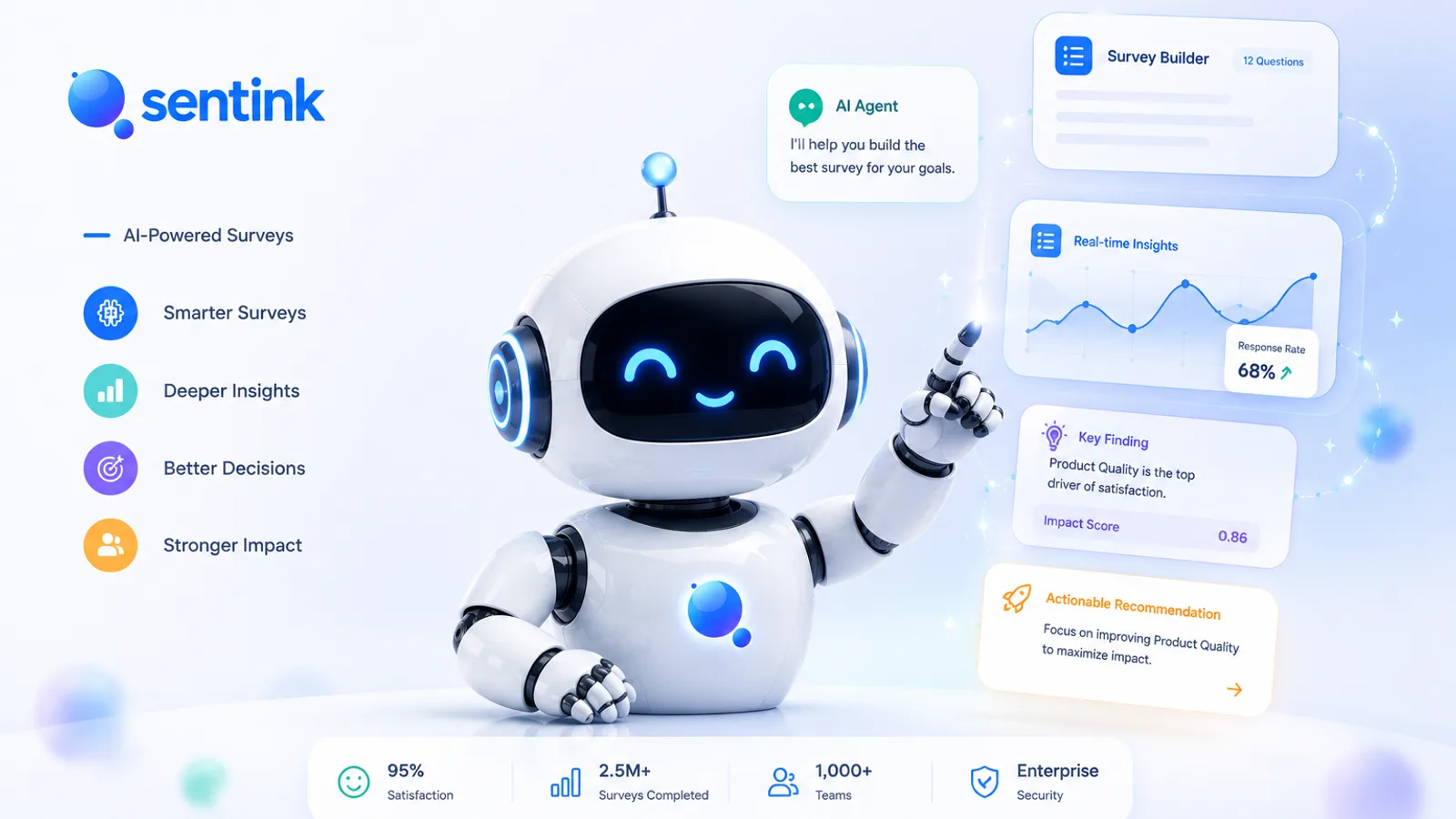
أصبح إنشاء الاستبيانات بالذكاء الاصطناعي أمراً شائعاً.
لكن توليد الأسئلة وحده لا يضمن:
- جودة البحث
- اتساق المنطق
- دقة البيانات
- أو موثوقية النتائج
لهذا تم تصميم وكيل الاستبيان الذكي داخل Sentink ليكون أكثر من مجرد "مولد أسئلة".
بل هو مسار متكامل لإنشاء وتطوير وتحسين الاستبيانات يعتمد على:
- سياق منظم
- مسودات قابلة للتعديل
- تدقيق منطقي
- تحسين تدريجي
- ومراجعة بشرية
ما هو وكيل الاستبيان الذكي؟
وكيل الاستبيان الذكي في Sentink هو نظام مساعد يعتمد على الذكاء الاصطناعي يساعد الفرق على الانتقال من:
- فكرة بحث
- أو وصف طبيعي
- أو ملف موجز
إلى مسودة استبيان قابلة للتعديل بالكامل داخل منشئ Sentink.
يمكن بدء العملية من:
- وصف نصي
- ملفات PDF
- مستندات Word
- جداول
- ملاحظات بحثية
- أو حتى الإدخال الصوتي
ويتم إنشاء مسودة أولية يمكن للفريق تعديلها ومراجعتها قبل نشر أي شيء للمستجيبين.
الذكاء الاصطناعي يساعد في الرحلة.
لكن القرار النهائي يبقى بيد الفريق البشري.
تحويل الهدف البحثي إلى هيكل استبيان
أحد أهم أهداف وكيل الاستبيان الذكي هو تحويل الغرض البحثي إلى هيكل عملي للاستبيان.
بدلاً من إنشاء أسئلة منفصلة عشوائياً، يحاول النظام بناء:
- صفحات
- أقسام
- أنواع أسئلة
- مقاييس
- مصفوفات
- تدفقات متعددة الصفحات
- ومنطق للمستجيبين
بما يتوافق مع نوع الدراسة.
سياق منظم بدلاً من التوليد العشوائي
تعتمد الكثير من أدوات الذكاء الاصطناعي على Prompt واحد فقط.
أما Sentink فيضيف سياقاً منظماً يشمل:
- الجمهور المستهدف
- هدف الدراسة
- عمق الاستبيان
- التركيز البحثي
- اللغات
- لغة الافتتاح الافتراضية
- تعليمات إضافية
تقليل الغموض يساعد النموذج على إنشاء استبيانات:
- أكثر اتساقاً
- أكثر ارتباطاً بالهدف
- وأكثر ملاءمة لاحتياجات العمل
أكثر من طريقة للبدء
يمكن للفرق بدء إنشاء الاستبيان باستخدام:
- الوصف النصي
- الملفات المرفقة
- ملفات PDF
- مستندات Word
- الجداول
- الإدخال الصوتي
مما يسمح بإنشاء الاستبيانات مباشرة من وثائق العمل الحقيقية.
تجربة إنشاء موجهة
يتبع وكيل الاستبيان الذكي تدفقاً منظماً يساعد الفرق على تحديد:
- نوع الدراسة
- الجمهور
- التركيز
- العمق
- اللغات
- الهدف البحثي
بشكل أقرب إلى سير عمل البحث الحقيقي.
التعديل بالذكاء الاصطناعي داخل المنشئ
لا تتوقف العملية بعد إنشاء المسودة الأولى.
داخل منشئ Sentink يمكن متابعة التحسين عبر التعديل بالذكاء الاصطناعي.
يمكن طلب:
- تعديل الصياغة
- إضافة أقسام
- تغيير البنية
- تحسين المنطق
- إعادة تنظيم الاستبيان
باستخدام أوامر بلغة طبيعية.
AI Quality Check
واحدة من أهم طبقات الجودة داخل Sentink هي ميزة AI Quality Check.
قبل نشر الاستبيان يمكن تشغيل فحص منطقي لتحليل:
- التفرعات
- السكب
- الظهور الشرطي
- التكرار
- المسارات المعطلة
- الأسئلة غير القابلة للوصول
- التعارضات البنيوية
والهدف بسيط:
اكتشاف مشاكل المنطق قبل أن يواجهها المستجيب.
تصنيف النتائج حسب الشدة
يقوم النظام بتصنيف النتائج إلى:
- نقاط إيجابية
- تحذيرات
- مشاكل حرجة
مما يساعد الفرق على معرفة:
- ما الذي يحتاج إصلاحاً فورياً
- وما الذي يحتاج مراجعة
- وما الذي يبدو سليماً
إصلاحات موجهة بالذكاء الاصطناعي
عند اكتشاف مشكلة، يستطيع Sentink إنشاء إصلاحات موجهة تهدف إلى:
- الحفاظ على البنية
- الحفاظ على الترجمات
- تقليل التعديلات غير الضرورية
- إصلاح المشكلة المحددة فقط
بدلاً من إعادة كتابة الاستبيان بالكامل.
ماذا يعني "استبيان أدق"؟
الدقة هنا لا تعني:
- أن الذكاء الاصطناعي معصوم من الخطأ.
بل تعني الجمع بين:
- سياق أوضح
- تدفقات منظمة
- تحسين تدريجي
- تدقيق منطقي
- ومراجعة بشرية
لتقليل:
- الغموض
- أخطاء المنطق
- إرباك المستجيب
- وضعف جودة البيانات
والنتيجة:
- تجربة أفضل للمستجيب
- استبيانات أكثر اتساقاً
- وثقة أعلى في النتائج
أفضل حالات الاستخدام
يفيد وكيل الاستبيان الذكي بشكل خاص في:
- فرق المنتجات
- تجربة العملاء
- دراسات NPS
- رضا العملاء
- الموارد البشرية
- الاستبيانات متعددة اللغات
- أبحاث السوق
- النماذج الأولية السريعة
خصوصاً عندما تحتاج المؤسسات إلى:
- السرعة
- والتنظيم في الوقت نفسه
حدود يجب معرفتها
وكيل الاستبيان الذكي لا يستبدل:
- منهجية العينة
- الخبرة البحثية
- استراتيجية التوزيع
- أو المراجعة البشرية
كما أن AI Quality Check يقلل مخاطر المنطق لكنه لا يغني عن:
- اختبار الاستبيان
- مراجعة التجربة على الجوال
- فحص الدراسات الحساسة بعناية
خصوصاً في:
- القرارات المالية
- الدراسات التنظيمية
- أو الأبحاث عالية الحساسية
ذكاء الاستبيانات داخل Sentink
تجمع منصة Sentink بين:
- وكيل الاستبيان الذكي
- التعديل بالذكاء الاصطناعي
- إنشاء استبيانات متعددة اللغات
- التدفقات الموجهة
- AI Quality Check
- تدقيق المنطق
- والمراجعة البشرية
داخل منصة واحدة متكاملة.
الهدف ليس فقط إنشاء الاستبيانات بسرعة.
بل مساعدة الفرق على الانتقال من:
- فكرة بحث عامة
إلى:
- استبيانات أكثر تنظيماً وموثوقية وقابلة للمراجعة.
باقات سحابية واضحة أو نشر خاص حسب احتياج فريقك.
ابدأ مجاناًيقرأ الناس أيضًا
من نفس التصنيف والوسوم المشتركة.
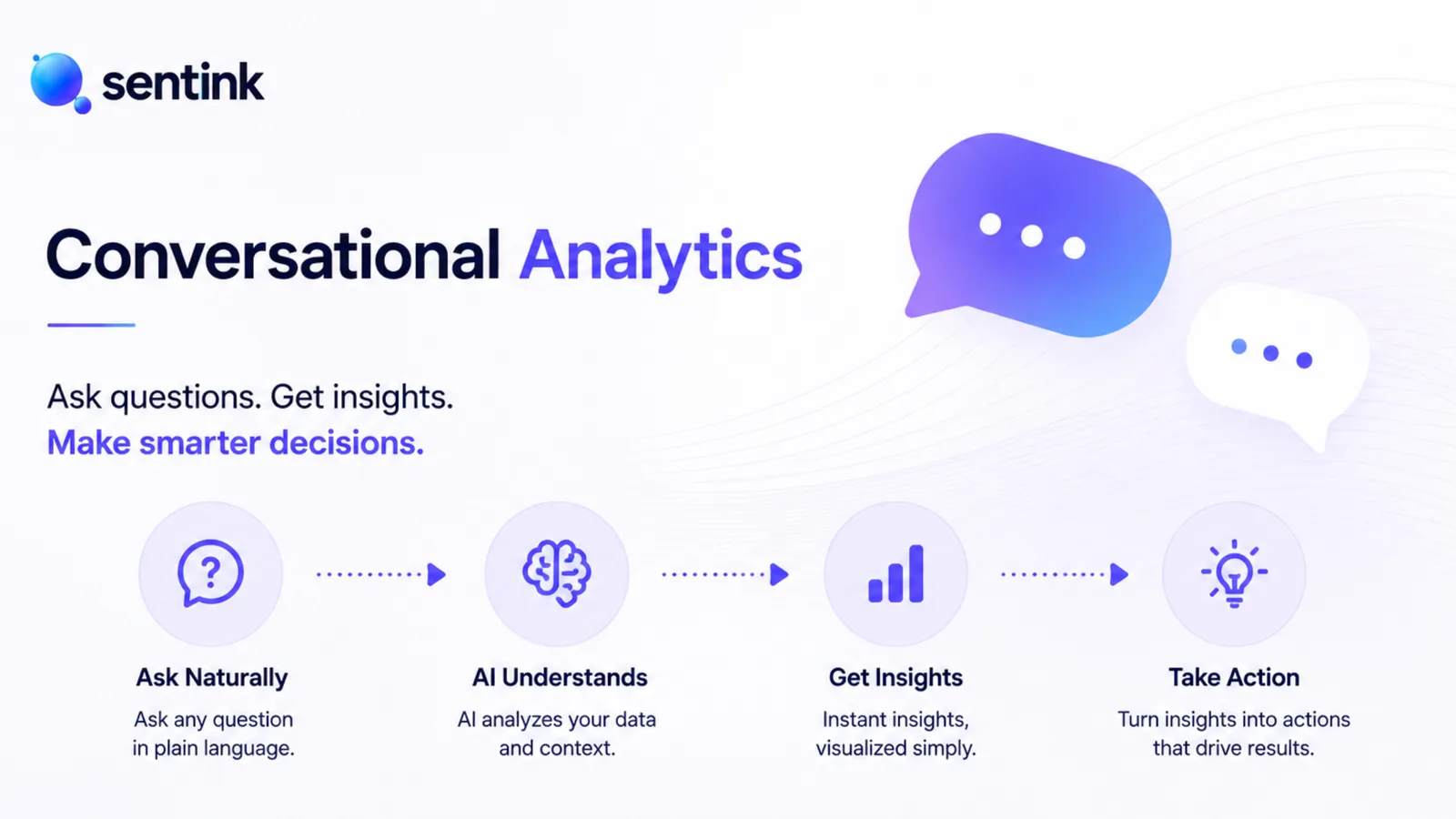
تعرّف على مفهوم التحليلات التفاعلية، وكيف تعمل أنظمة Chat with Data المدعومة بالذكاء الاصطناعي، ولماذا تغيّر منصات مثل Sentink مستقبل تحليلات الاستبيانات والتقارير والذكاء التحليلي.
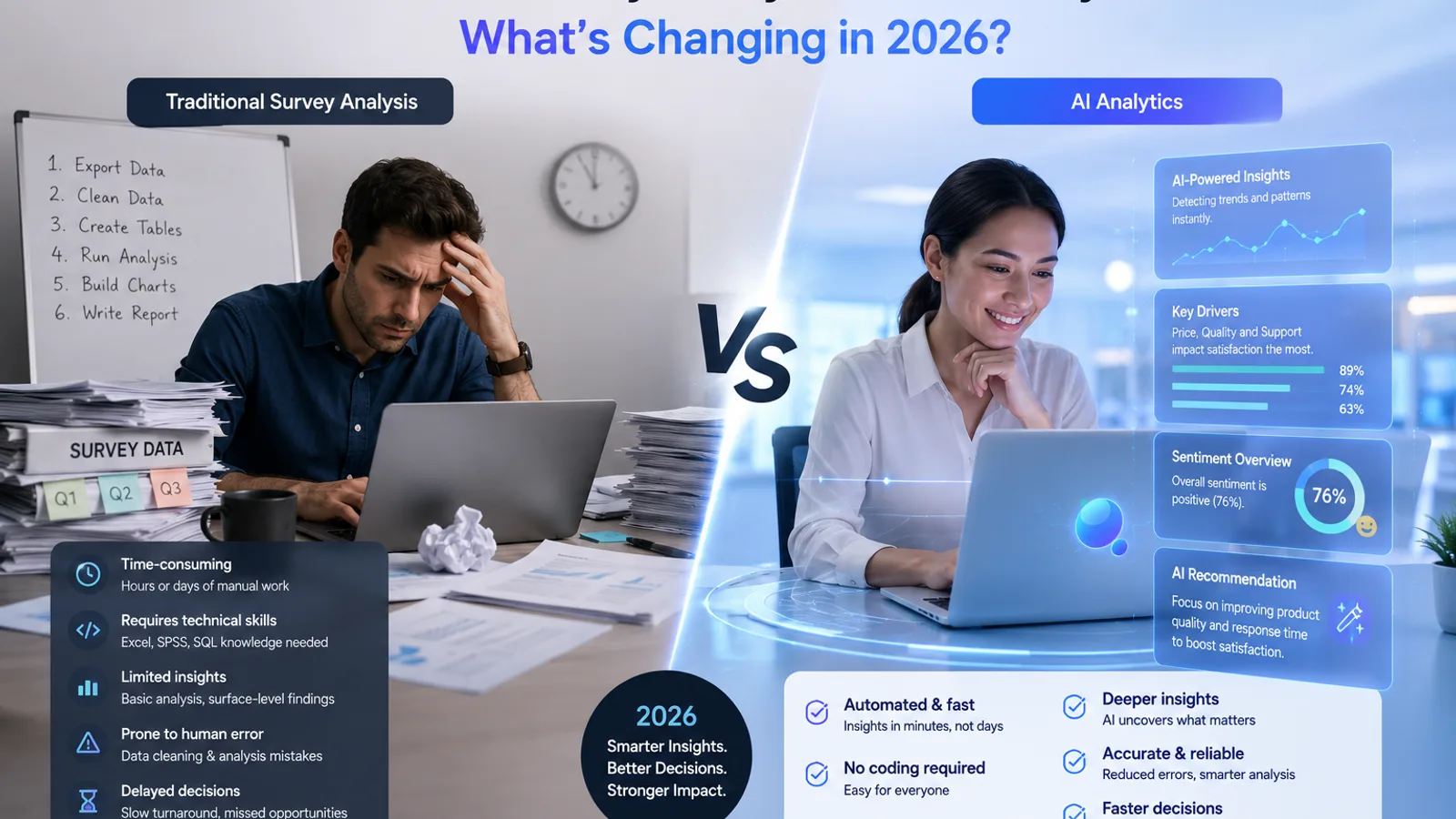
اكتشف الفرق بين التحليل التقليدي للاستبيانات والتحليلات المدعومة بالذكاء الاصطناعي، بما في ذلك التقارير التلقائية، وتحليل المشاعر، ولوحات التحكم الذكية، ومنصات الذكاء التحليلي مثل Sentink.
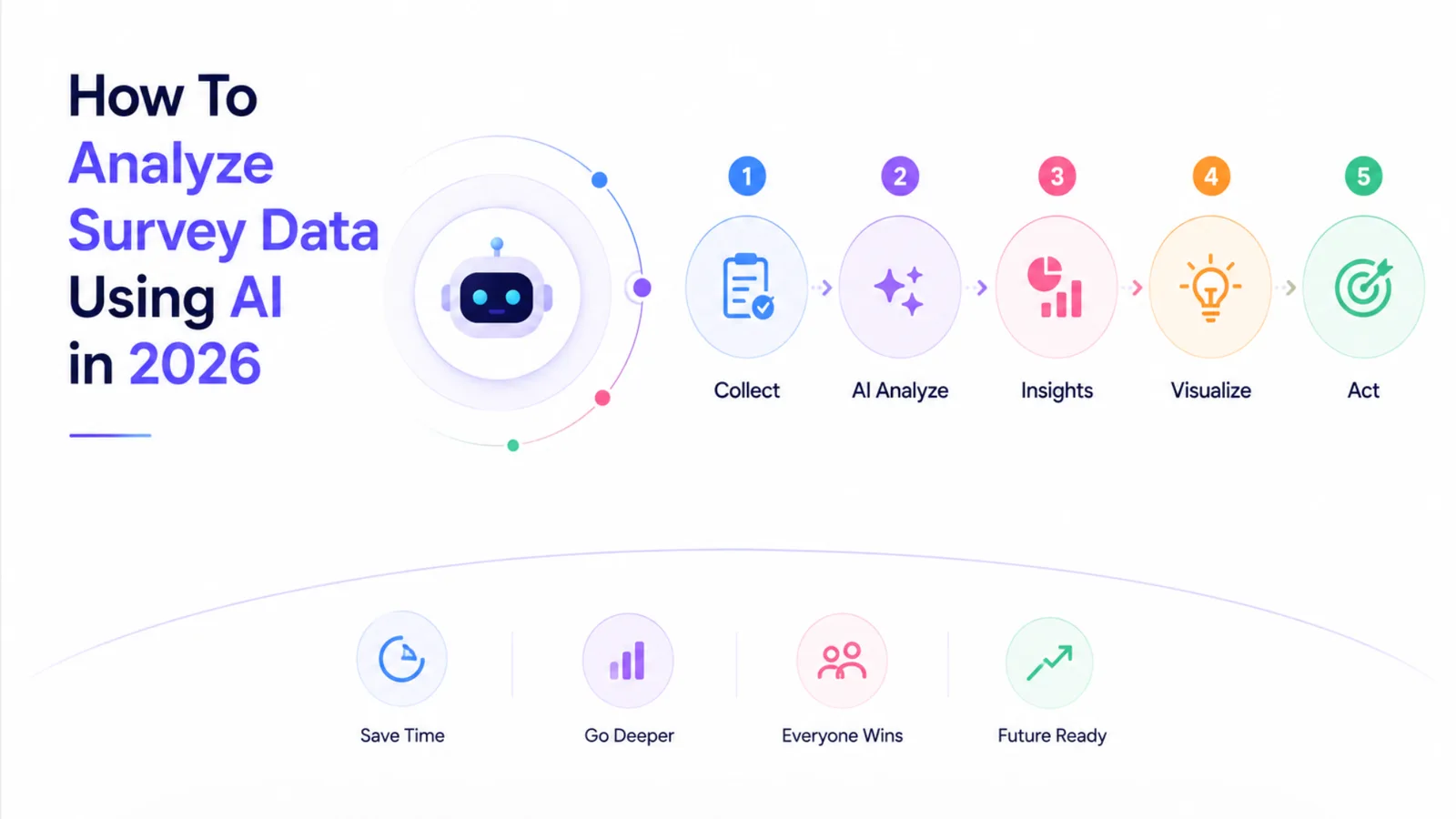
تعلم كيفية تحليل بيانات الاستطلاع باستخدام الذكاء الاصطناعي، وأتمتة إعداد التقارير، واكتشاف المشاعر، وتحديد الاتجاهات، وتوليد الرؤى، وتحويل التعليقات الأولية إلى عملية صنع قرار ذكية باستخدام منصات حديثة مثل Sentink.
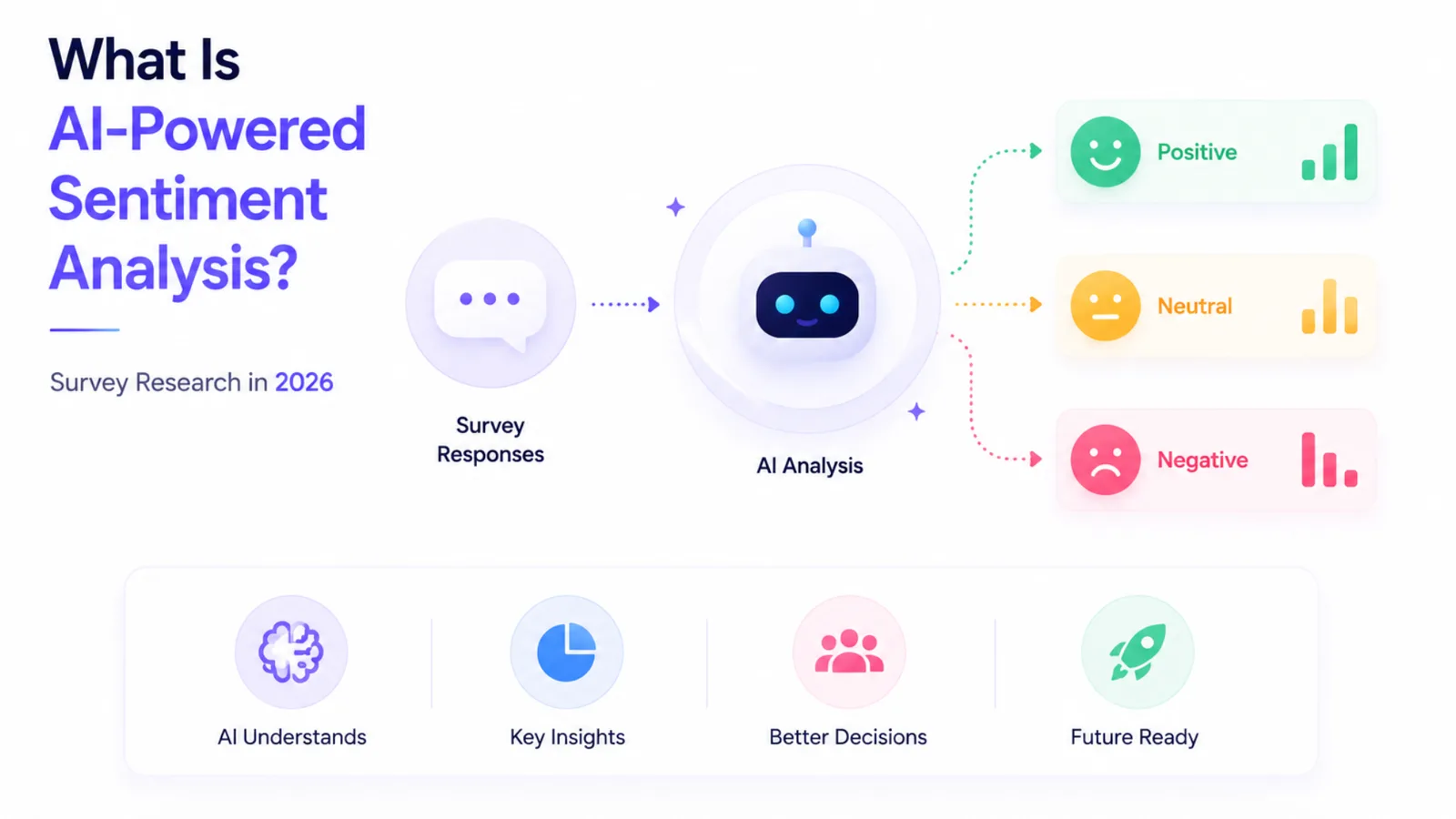
تعرّف على كيفية عمل تحليل المشاعر المدعوم بالذكاء الاصطناعي، وكيف تستخدم المؤسسات تحليلات المشاعر لفهم العملاء والموظفين، ولماذا تقود منصات مثل Sentink مستقبل تحليلات الاستبيانات.
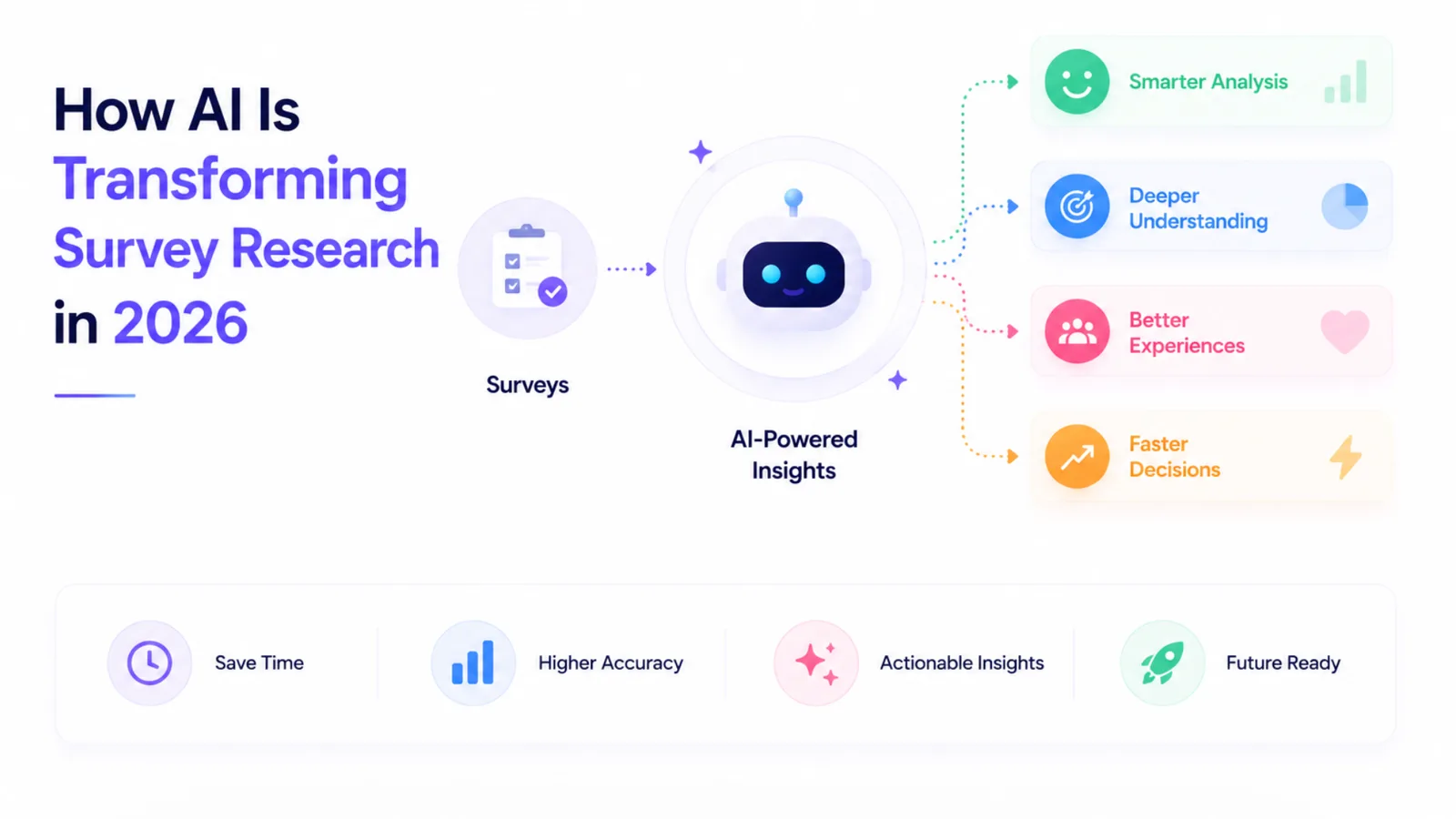
اكتشف كيف يغيّر الذكاء الاصطناعي عالم أبحاث الاستبيانات من خلال تحليل المشاعر، والتقارير التلقائية، والتحليلات التفاعلية، ومنصات الذكاء التحليلي مثل Sentink.

تعرّف على مفهوم الذكاء التحليلي للاستبيانات، وكيف يغيّر الذكاء الاصطناعي عالم التحليلات، وتحليل المشاعر، والتقارير، ولوحات التحكم، ولماذا تقود منصات مثل Sentink مستقبل الأبحاث وتجربة العملاء.