
What Is AI-Powered Sentiment Analysis? A Complete Guide for Survey Research in 2026
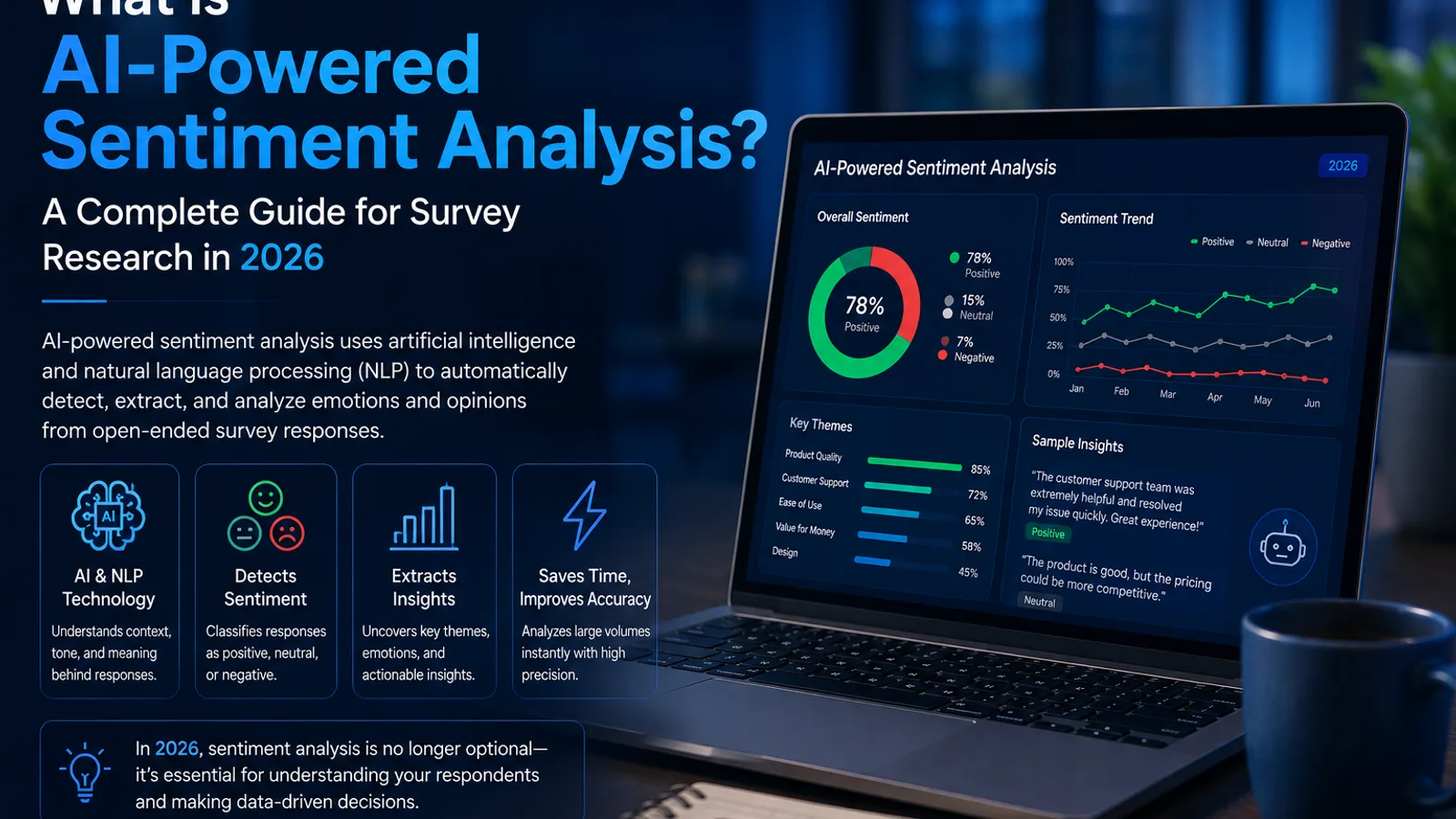
What Is AI-Powered Sentiment Analysis? A Complete Guide for Survey Research in 2026
Modern organizations collect enormous amounts of feedback every day.
This feedback comes from:
- customer surveys
- employee feedback
- product reviews
- support tickets
- social media
- online forms
- market research
But one of the biggest challenges is understanding:
how people actually feel
This is where:
AI-Powered Sentiment Analysis
becomes extremely important.
Instead of manually reading thousands of responses, artificial intelligence can automatically detect:
- positive sentiment
- negative sentiment
- frustration
- satisfaction
- emotional tone
- trends and patterns
Platforms like Sentink are increasingly helping organizations combine sentiment analysis with intelligent dashboards, automated reporting, and AI-powered survey analytics.
In this article, we explain:
- what sentiment analysis is
- how AI-powered sentiment analysis works
- why it matters for survey research
- how organizations use it
- the future of intelligent feedback analytics
What Is Sentiment Analysis?
Sentiment analysis is the process of identifying emotions, opinions, and attitudes within text responses.
It helps organizations understand whether feedback is:
- positive
- negative
- neutral
- emotional
- frustrated
- satisfied
Instead of relying entirely on human interpretation, AI systems can analyze large volumes of qualitative feedback automatically.
This makes it possible to process:
- thousands of comments
- open-ended survey responses
- customer feedback
- employee opinions
in a fraction of the time required manually.
Why Sentiment Analysis Matters
Traditional survey analytics often focus heavily on numbers:
- scores
- ratings
- percentages
- charts
But many of the most valuable insights are hidden inside:
- comments
- written feedback
- suggestions
- complaints
- opinions
This is known as:
Qualitative Data
Qualitative feedback is often harder to analyze because it requires:
- reading responses manually
- identifying patterns manually
- interpreting emotional tone manually
AI-powered sentiment analysis dramatically simplifies this process.
How AI-Powered Sentiment Analysis Works
Modern AI systems use technologies such as:
- natural language processing (NLP)
- machine learning
- large language models (LLMs)
- semantic analysis
to understand human language automatically.
The system analyzes text and identifies:
- emotional tone
- intent
- recurring themes
- positive or negative language
- satisfaction indicators
For example:
“The support team was extremely helpful.” → Positive sentiment
“The delivery process was frustrating and slow.” → Negative sentiment
AI systems can process thousands of similar responses automatically.
Sentiment Analysis in Survey Research
Survey research increasingly relies on open-ended questions such as:
- “What did you dislike?”
- “How can we improve?”
- “Describe your experience.”
- “What challenges did you face?”
These questions generate rich insights, but analyzing them manually becomes difficult at scale.
AI-powered sentiment analysis helps organizations:
- summarize responses
- identify key pain points
- detect recurring complaints
- understand emotional trends
- generate executive insights automatically
Platforms like Sentink increasingly integrate sentiment analysis directly into survey dashboards and reporting workflows.
Customer Experience and Sentiment Analysis
Customer experience (CX) teams increasingly use sentiment analysis to:
- understand customer satisfaction
- detect churn risks
- identify frustration
- improve customer journeys
- prioritize operational improvements
Instead of relying only on scores like:
- NPS
- CSAT
- CES
organizations can now understand:
why customers feel the way they do
This creates deeper customer intelligence.
Employee Feedback and Workplace Sentiment
Employee surveys generate enormous amounts of written feedback.
AI-powered sentiment analysis helps organizations:
- detect morale trends
- understand employee frustration
- identify burnout risks
- analyze workplace culture
- improve communication
This allows HR and leadership teams to react faster and make more informed decisions.
AI and Multilingual Sentiment Analysis
One of the biggest challenges in global survey research is multilingual analytics.
Organizations often collect feedback in:
- Arabic
- English
- French
- German
- Spanish
- multiple mixed languages
Modern AI systems increasingly support multilingual sentiment analysis.
Platforms like Sentink are helping organizations analyze multilingual and Arabic feedback more effectively through:
- Arabic sentiment analysis
- multilingual dashboards
- RTL support
- AI-assisted reporting
This is especially important for:
- Gulf organizations
- multinational enterprises
- government programs
- regional research agencies
Sentiment Analysis and AI Reporting
AI-powered reporting systems increasingly combine:
- sentiment analysis
- dashboards
- automated summaries
- trend detection
- conversational analytics
This allows organizations to move from:
raw comments → actionable insights
much faster.
Instead of manually reading spreadsheets, executives can receive:
- AI-generated summaries
- sentiment trends
- top complaints
- key opportunities
- risk indicators
in real time.
Conversational Analytics and “Chat With Feedback”
One of the most exciting developments is:
Conversational Analytics
Instead of manually filtering responses, users can increasingly ask questions such as:
- “What were the biggest customer frustrations?”
- “Summarize negative feedback.”
- “What themes appeared most often?”
- “Which department received the most positive sentiment?”
AI systems can answer these questions conversationally.
Platforms like Sentink are increasingly moving toward these “Chat with Data” experiences.
The Future of Sentiment Analysis
The future of sentiment analysis is moving toward:
- real-time AI insights
- predictive sentiment analysis
- conversational analytics
- emotional intelligence systems
- intelligent dashboards
- automated decision-support systems
As AI models continue improving, organizations will increasingly rely on sentiment intelligence to:
- improve customer experience
- understand employees better
- detect operational issues faster
- make smarter decisions
Final Thoughts
AI-powered sentiment analysis is becoming one of the most important technologies in survey research and customer experience.
Instead of relying entirely on manual interpretation, organizations increasingly want:
- automated insights
- emotional analysis
- conversational reporting
- intelligent dashboards
- AI-generated summaries
Platforms like Sentink are helping shape this next generation of intelligent survey analytics.
As artificial intelligence continues evolving, sentiment analysis may become a core part of nearly every modern feedback and research system.
Transparent Cloud plans and private deployment—pick what fits your team.
See pricingPeople also read
Picked from the same category and shared topics.
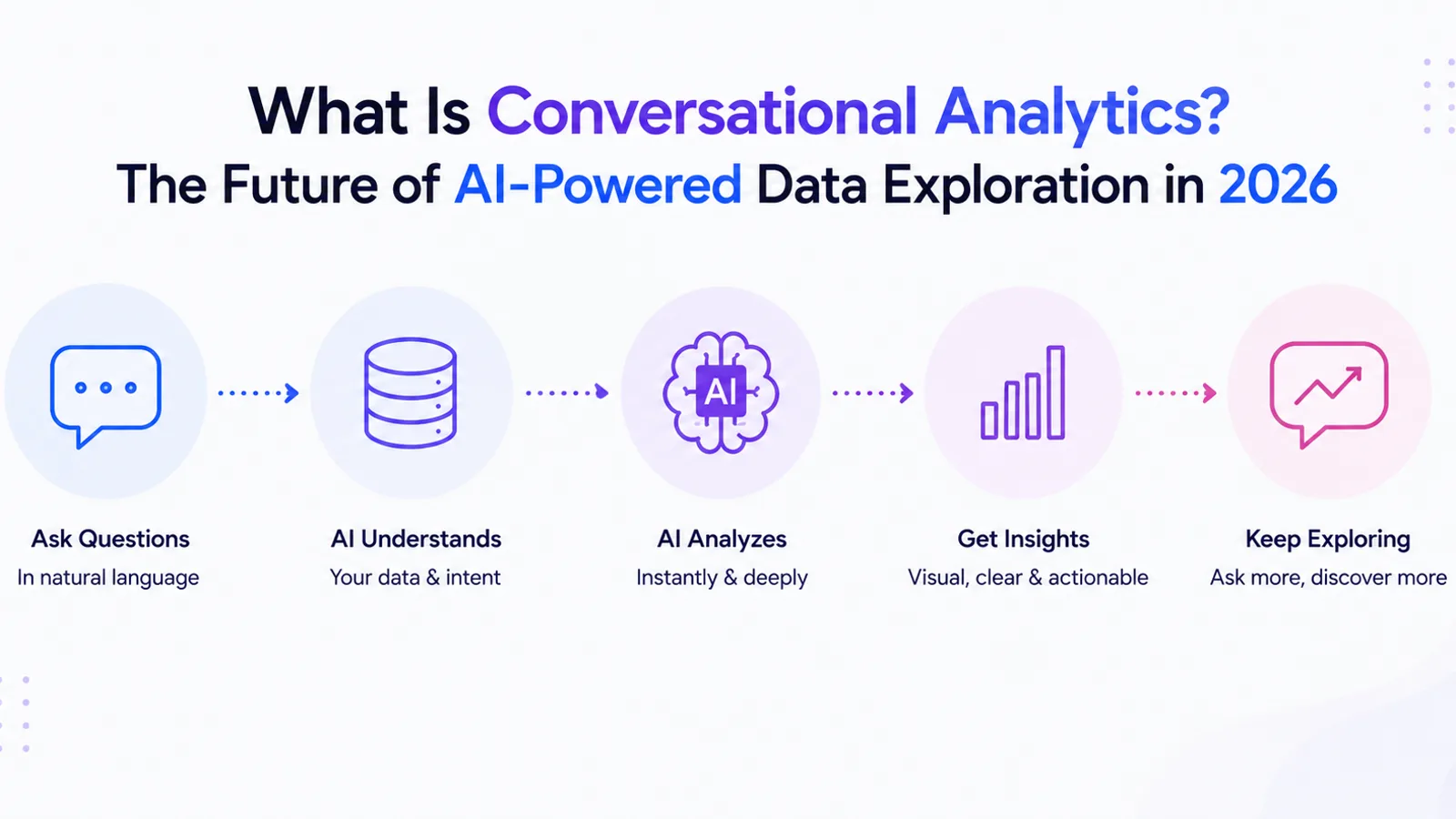
Learn what conversational analytics is, how AI-powered “Chat with Data” systems work, and why platforms like Sentink are transforming survey analytics, reporting, and business intelligence.
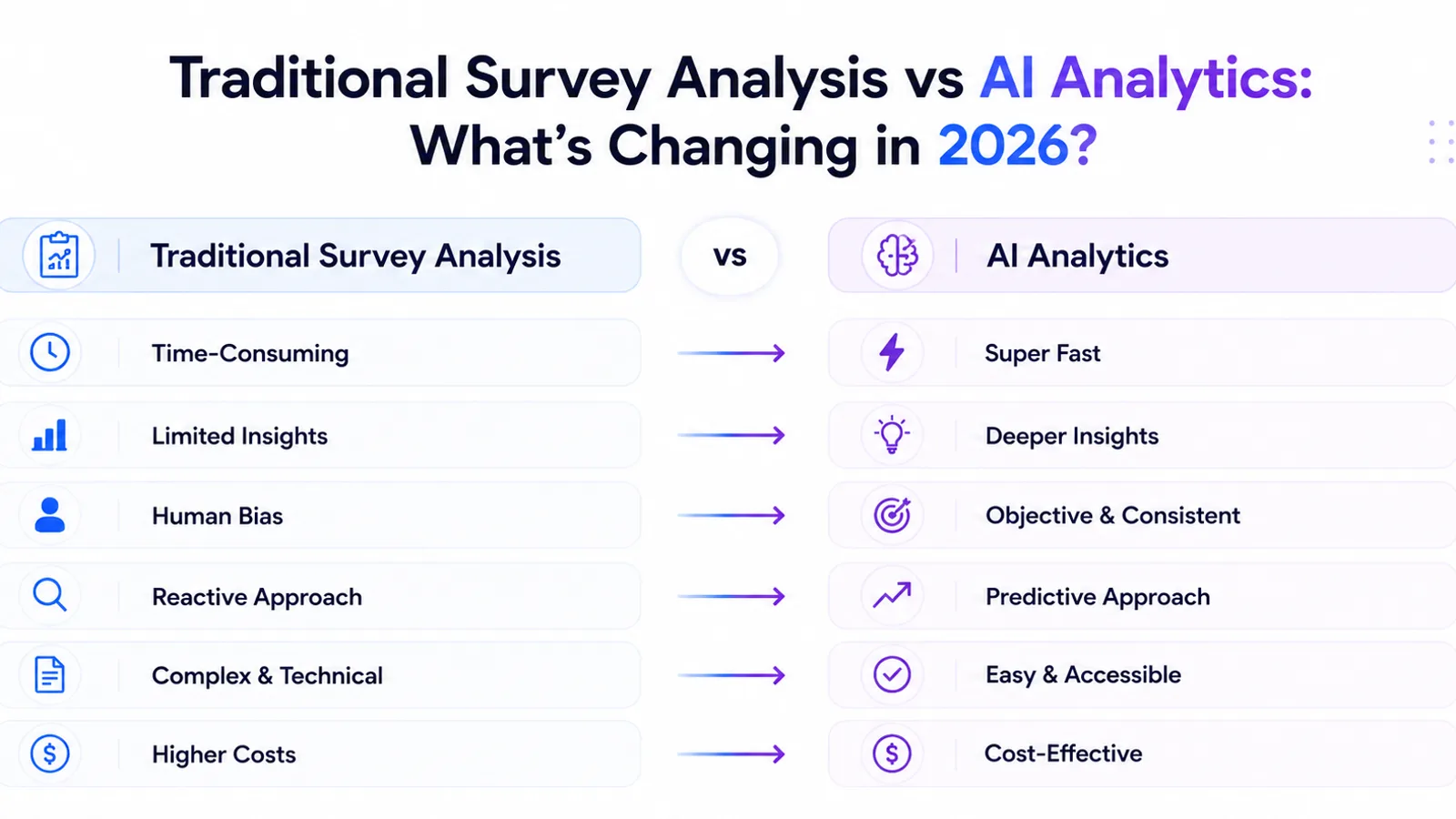
Discover the differences between traditional survey analysis and AI-powered analytics, including automated reporting, sentiment analysis, conversational dashboards, and intelligent survey platforms like Sentink.
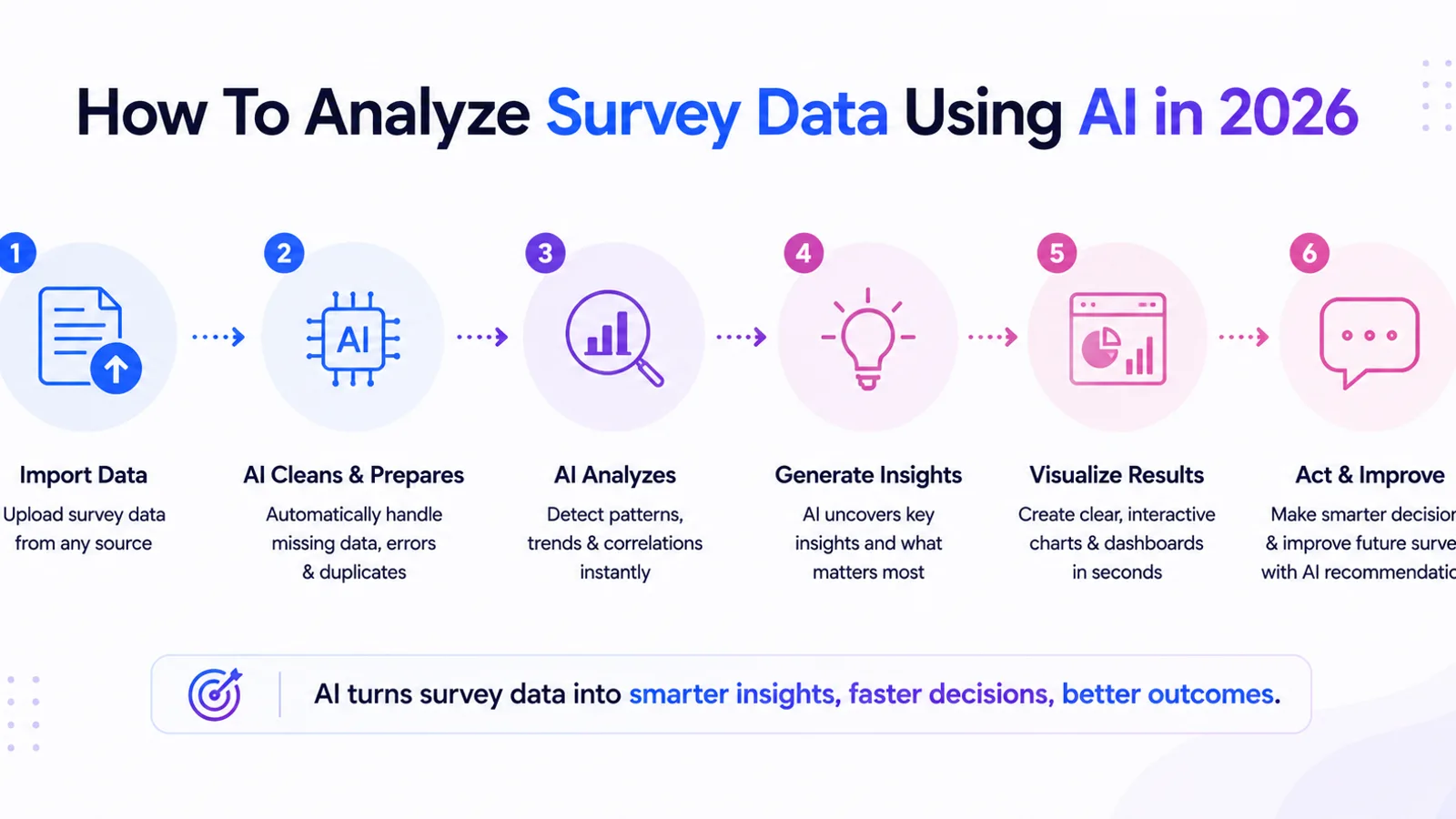
Learn how to analyze survey data using AI, automate reporting, detect sentiment, identify trends, generate insights, and transform raw feedback into intelligent decision-making using modern platforms like Sentink.
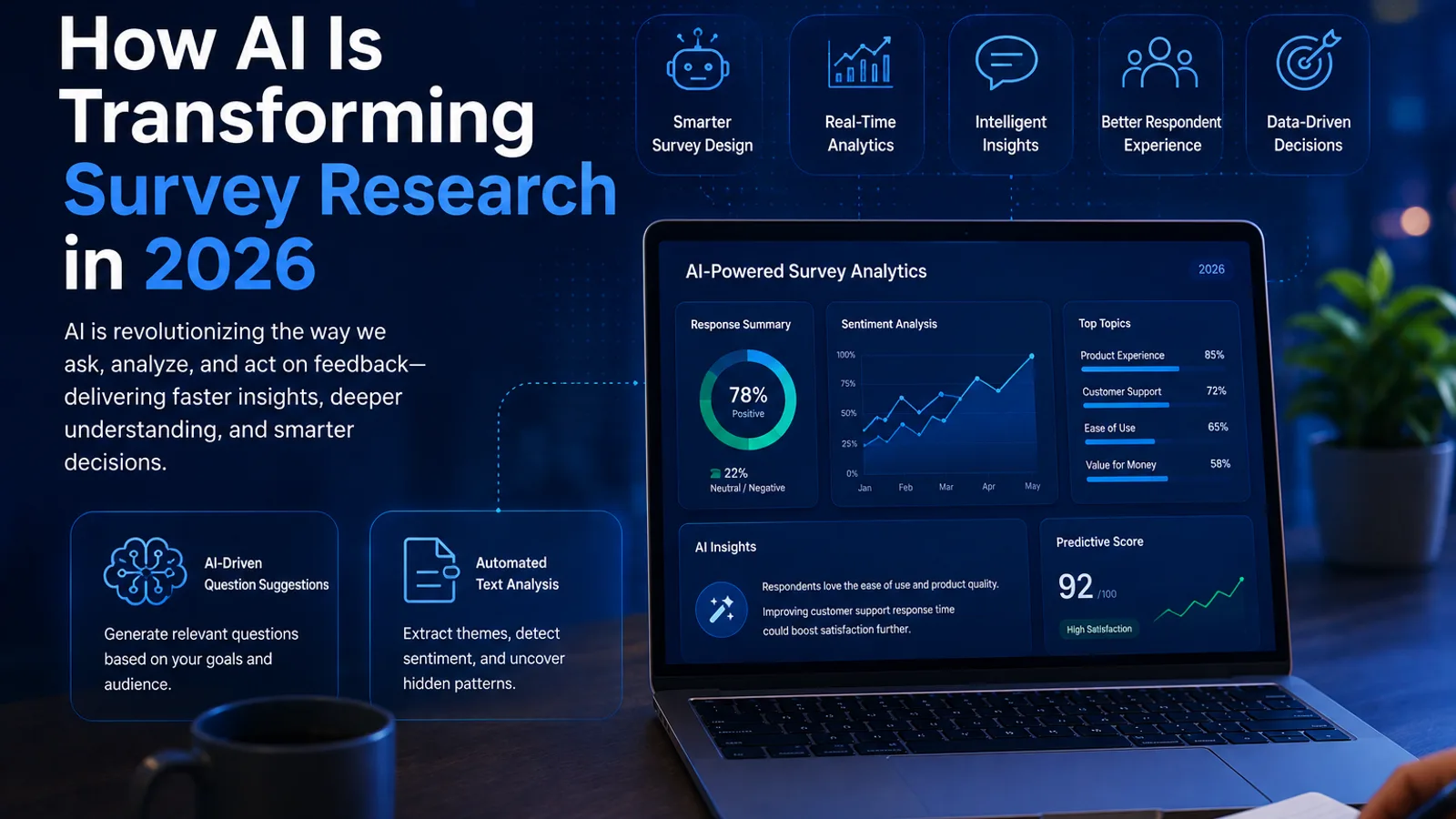
Discover how artificial intelligence is transforming survey research through automated insights, sentiment analysis, conversational analytics, reporting automation, and intelligent survey platforms like Sentink.
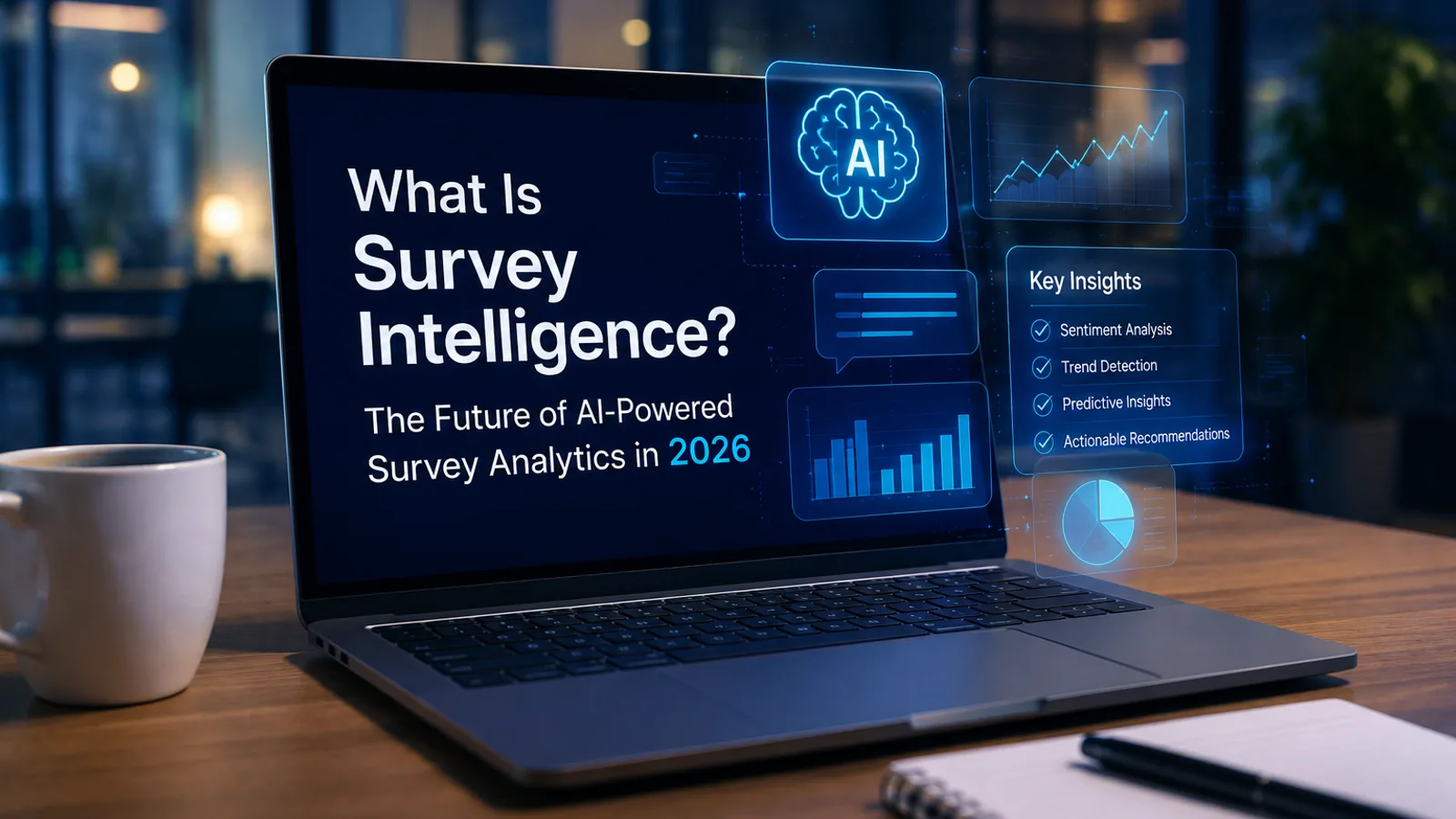
Learn what survey intelligence means, how AI is transforming survey analytics, sentiment analysis, reporting, dashboards, and customer insights, and why platforms like Sentink are shaping the future of research.