
What Is Conversational Analytics? The Future of AI-Powered Data Exploration in 2026
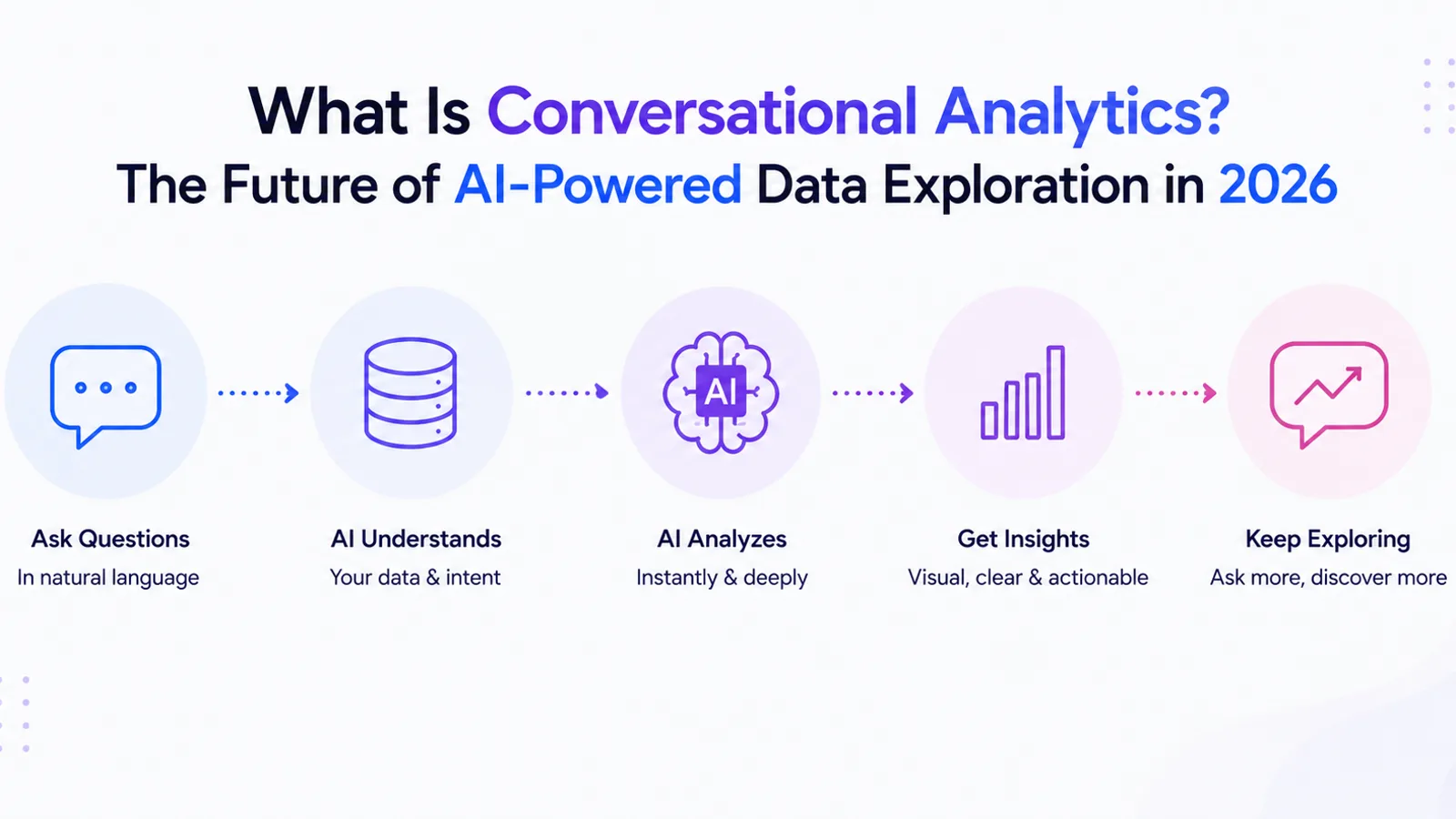
What Is Conversational Analytics? The Future of AI-Powered Data Exploration in 2026
Modern organizations collect enormous amounts of data every day.
This data comes from:
- surveys
- customer feedback
- employee feedback
- dashboards
- support systems
- analytics platforms
- business operations
But one of the biggest challenges is:
making data understandable and accessible
Traditional analytics often requires:
- dashboards
- filters
- charts
- SQL queries
- analysts
- reporting tools
For many teams, this creates friction between:
- collecting data
- and actually understanding it
This is where:
Conversational Analytics
is rapidly changing the future of analytics.
Platforms like Sentink are increasingly introducing AI-powered “Chat with Data” experiences that allow users to interact with analytics using natural language.
In this article, we explain:
- what conversational analytics means
- how AI-powered analytics conversations work
- why conversational analytics matters
- how organizations use it
- how it transforms survey research and reporting
- the future of AI-driven data exploration
What Is Conversational Analytics?
Conversational analytics is the ability to interact with data using natural language instead of traditional dashboards and manual filtering.
Instead of:
- building charts manually
- writing SQL queries
- filtering spreadsheets
- navigating complex dashboards
users can simply ask questions like:
- “What were the top customer complaints?”
- “Summarize employee feedback.”
- “Which region had the lowest satisfaction?”
- “What themes appeared most often?”
- “What changed this quarter?”
AI systems then analyze the data and respond conversationally.
This creates a much faster and more accessible analytics experience.
Why Traditional Analytics Can Be Difficult
Traditional analytics platforms often require:
- technical skills
- dashboard expertise
- manual filtering
- statistical knowledge
- data interpretation experience
This creates challenges for:
- executives
- managers
- HR teams
- customer experience teams
- non-technical users
Even when organizations have powerful dashboards, extracting insights can still be slow and complicated.
Conversational analytics helps reduce this complexity dramatically.
How Conversational Analytics Works
Modern conversational analytics platforms use technologies such as:
- artificial intelligence
- natural language processing (NLP)
- large language models (LLMs)
- semantic search
- intelligent analytics systems
The AI system interprets:
- user questions
- business intent
- context
- analytics goals
and then retrieves, analyzes, and explains the data conversationally.
For example:
“What are the most common employee complaints?”
The system may automatically:
- analyze text feedback
- identify recurring themes
- detect sentiment
- summarize findings
- generate insights
within seconds.
Conversational Analytics and Survey Research
Survey research generates massive amounts of data.
This includes:
- quantitative responses
- open-ended comments
- cross-tab analysis
- demographic segmentation
- trend analysis
- sentiment analysis
Traditionally, analyzing this information required:
- dashboards
- filtering
- exports
- manual interpretation
Conversational analytics changes this completely.
Instead of manually exploring dashboards, users can ask:
- “What are customers unhappy about?”
- “Summarize feedback from Germany.”
- “What changed compared to last quarter?”
- “Which department has the highest satisfaction?”
Platforms like Sentink increasingly support these AI-driven research workflows.
AI-Powered “Chat With Data”
One of the most important trends in analytics today is:
Chat With Data
This concept allows users to interact with analytics systems similarly to chatting with an AI assistant.
Instead of searching through:
- reports
- spreadsheets
- dashboards
- charts
users can simply ask questions conversationally.
This dramatically improves:
- accessibility
- speed
- usability
- decision-making
especially for non-technical teams.
Conversational Analytics and Sentiment Analysis
Conversational analytics becomes even more powerful when combined with:
Sentiment Analysis
AI systems can automatically:
- detect emotional tone
- identify frustration
- summarize positive feedback
- explain negative trends
- analyze open-ended responses
For example:
“What negative themes appeared most frequently this month?”
The AI system can instantly:
- analyze comments
- detect sentiment
- identify recurring problems
- summarize findings
This creates a much deeper analytics experience.
Platforms like Sentink increasingly combine conversational analytics with AI-powered sentiment analysis and intelligent dashboards.
Cross-Tabulation and Conversational AI
Cross-tabulation is one of the most important techniques in professional research.
Traditionally, cross-tabs require:
- manual setup
- statistical expertise
- dashboard navigation
- complex interpretation
Conversational AI simplifies this dramatically.
Instead of manually building cross-tabs, users can ask:
- “Compare satisfaction by age group.”
- “Show sentiment differences by department.”
- “Which customer segment is most dissatisfied?”
AI systems can automatically generate:
- comparisons
- summaries
- insights
- visual analytics
This makes advanced research much more accessible.
Why Conversational Analytics Matters for Businesses
Modern businesses increasingly compete based on:
- customer experience
- employee satisfaction
- operational intelligence
- faster decision-making
But organizations often struggle with:
- data overload
- dashboard complexity
- reporting delays
- limited analytics accessibility
Conversational analytics helps organizations:
- simplify analytics
- reduce manual reporting
- improve decision-making speed
- democratize data access
- make analytics more accessible
This creates significant operational advantages.
Arabic and Multilingual Conversational Analytics
One major challenge in analytics is multilingual data exploration.
Organizations in the Middle East often struggle with:
- Arabic dashboards
- RTL analytics
- multilingual feedback
- Arabic sentiment analysis
- mixed-language datasets
Platforms like Sentink increasingly focus on Arabic-first and multilingual conversational analytics workflows.
This is especially valuable for:
- Gulf organizations
- multinational companies
- government institutions
- research agencies
The Future of Conversational Analytics
The future of analytics is rapidly moving toward:
- AI assistants for analytics
- conversational dashboards
- automated reporting
- intelligent summaries
- predictive analytics
- AI-generated insights
- real-time decision intelligence
Traditional dashboards alone are no longer enough.
Organizations increasingly need systems that allow people to:
talk to their data
instead of manually searching through reports.
This is why conversational analytics is becoming one of the most important trends in business intelligence and survey research.
Final Thoughts
Conversational analytics is transforming how organizations explore and understand data.
Instead of relying entirely on:
- dashboards
- filters
- spreadsheets
- analysts
organizations increasingly want:
- AI-powered conversations
- intelligent reporting
- automated insights
- natural-language analytics
- faster decision-making
Platforms like Sentink are helping define this next generation of AI-powered analytics experiences.
As artificial intelligence continues evolving, conversational analytics may become one of the most important technologies shaping the future of business intelligence, survey analytics, and customer experience.
Transparent Cloud plans and private deployment—pick what fits your team.
See pricingPeople also read
Picked from the same category and shared topics.
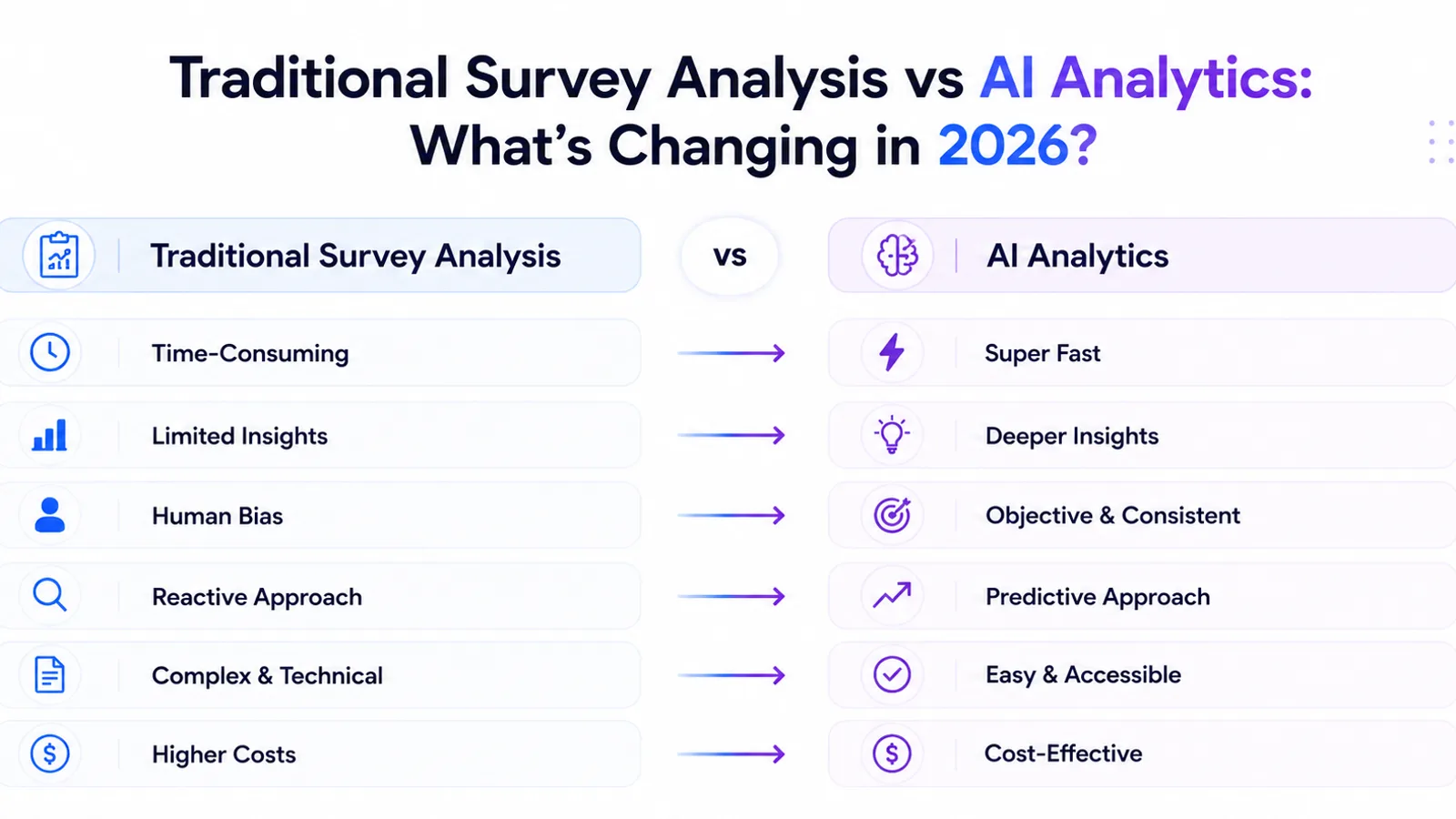
Discover the differences between traditional survey analysis and AI-powered analytics, including automated reporting, sentiment analysis, conversational dashboards, and intelligent survey platforms like Sentink.
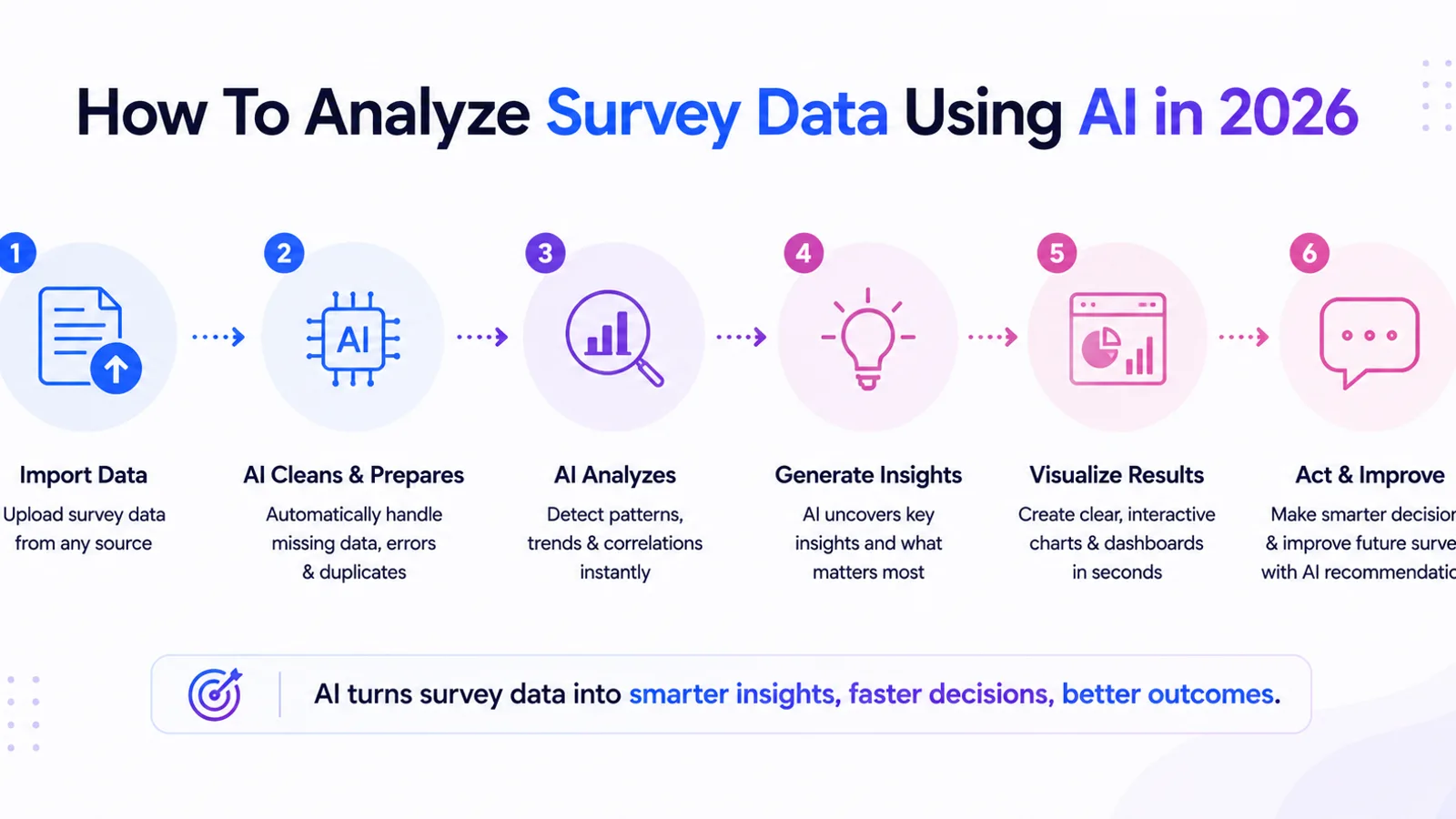
Learn how to analyze survey data using AI, automate reporting, detect sentiment, identify trends, generate insights, and transform raw feedback into intelligent decision-making using modern platforms like Sentink.
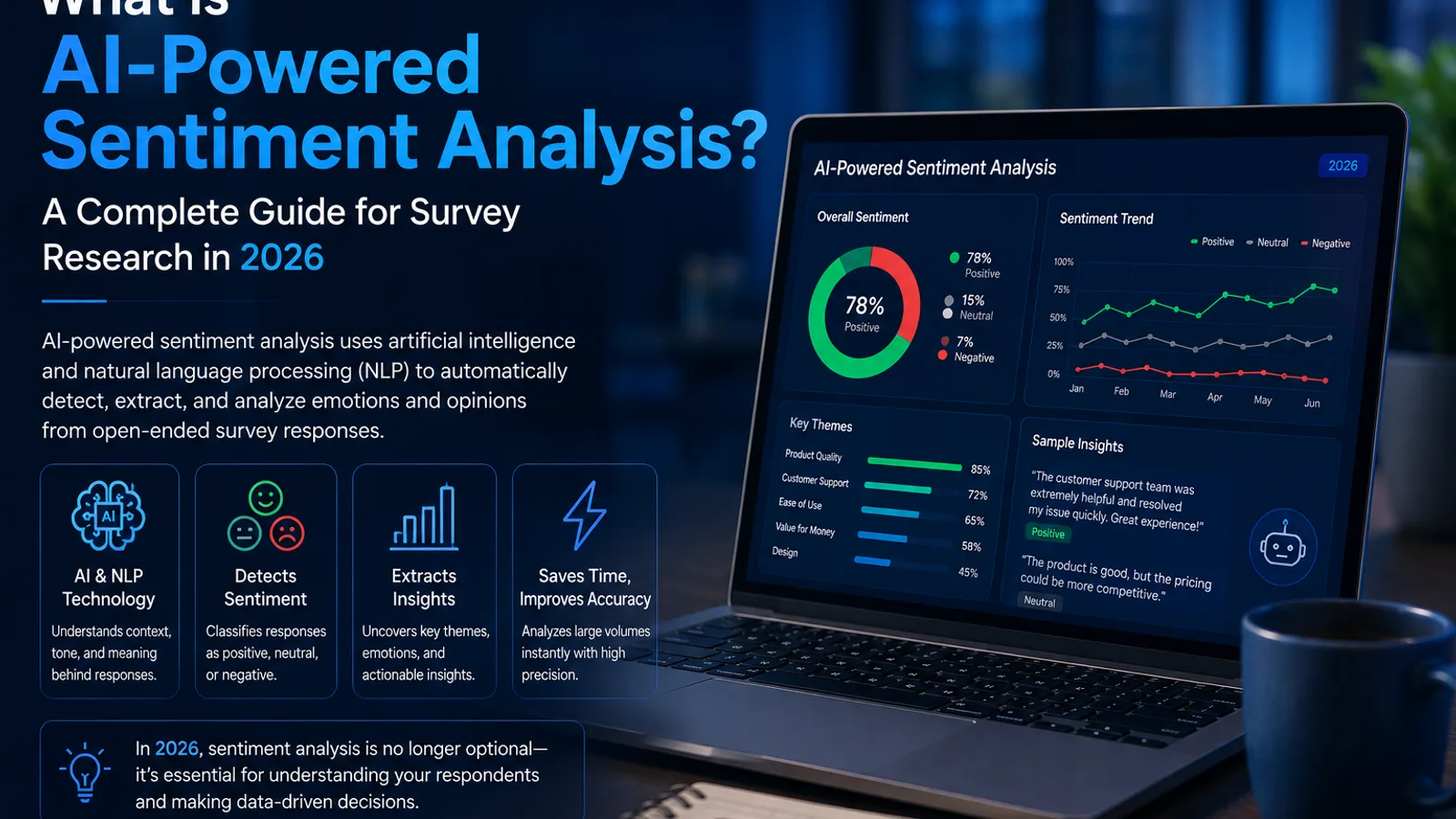
Learn how AI-powered sentiment analysis works, how organizations analyze customer and employee feedback automatically, and why platforms like Sentink are transforming survey analytics in 2026.
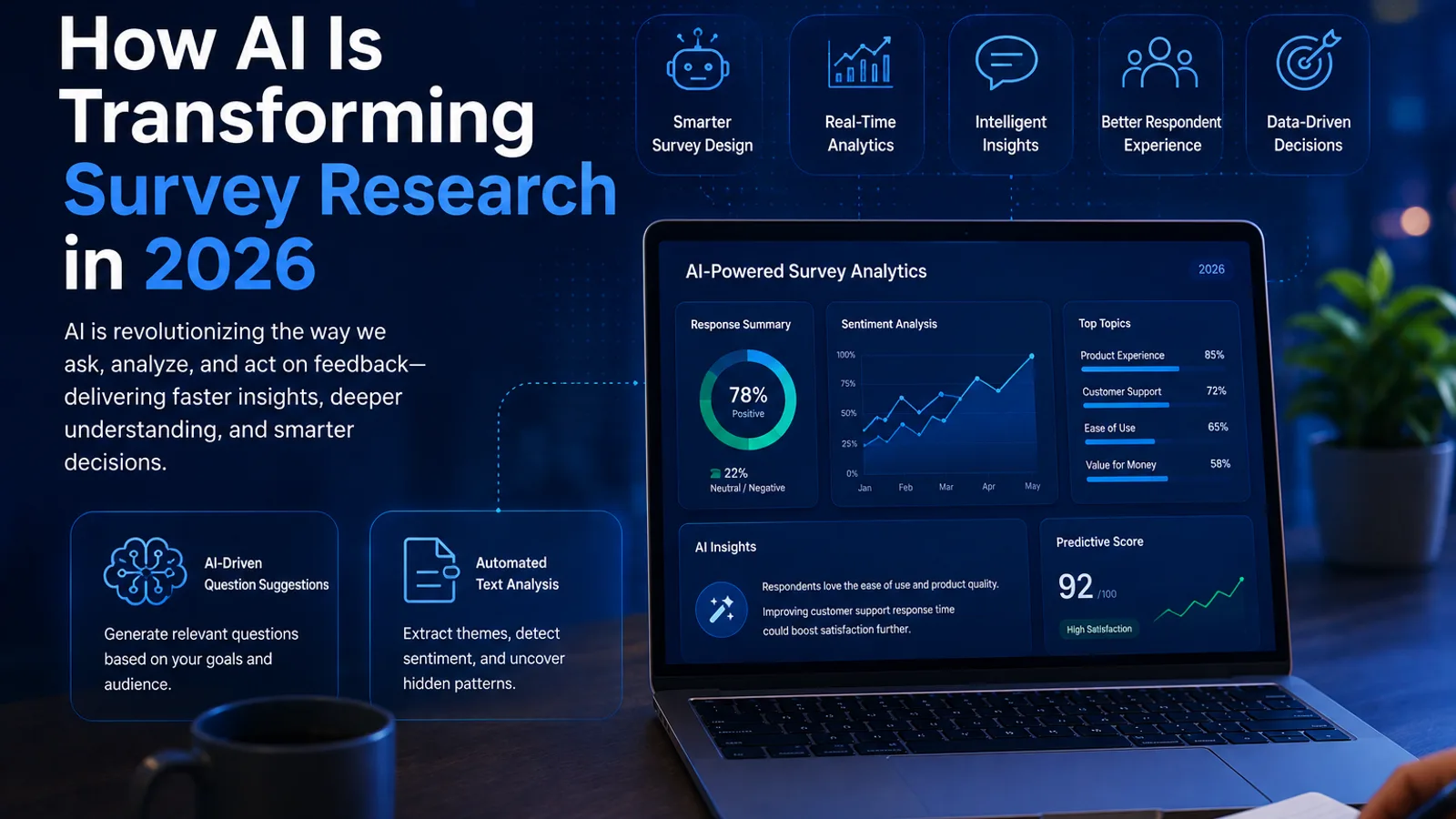
Discover how artificial intelligence is transforming survey research through automated insights, sentiment analysis, conversational analytics, reporting automation, and intelligent survey platforms like Sentink.
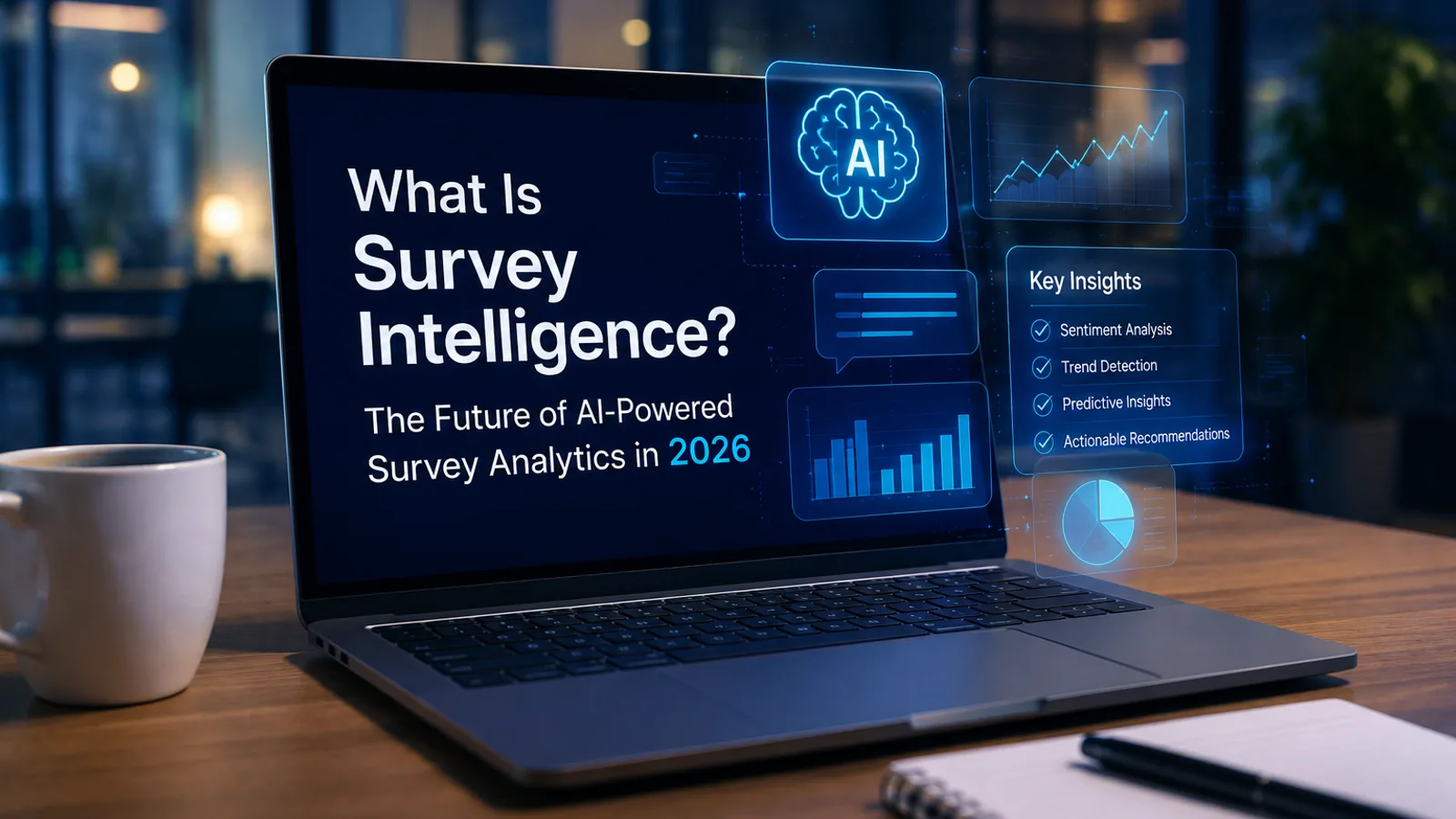
Learn what survey intelligence means, how AI is transforming survey analytics, sentiment analysis, reporting, dashboards, and customer insights, and why platforms like Sentink are shaping the future of research.