
Quantitative vs Qualitative Research: What’s the Difference in 2026?
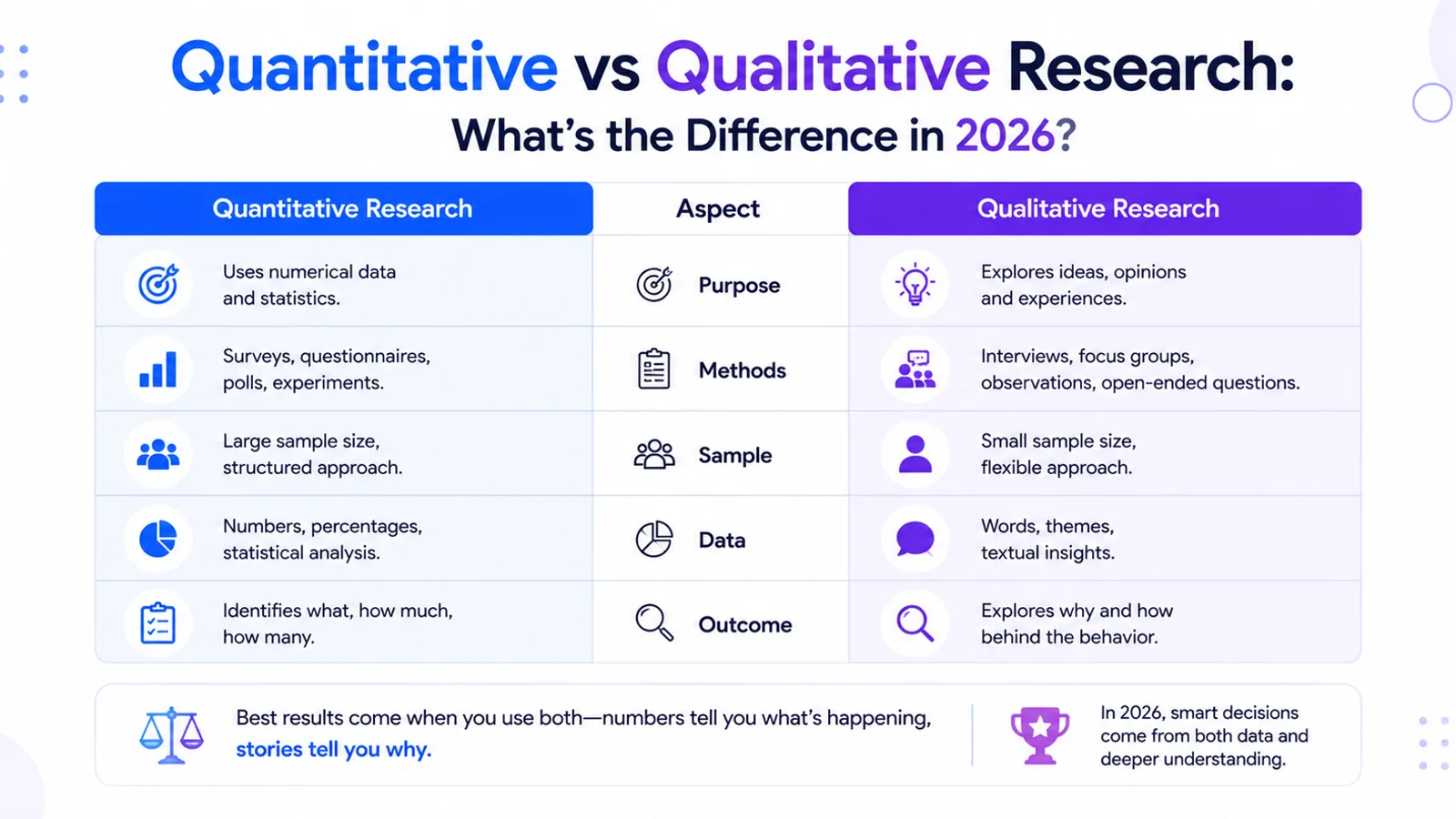
Quantitative vs Qualitative Research: What’s the Difference in 2026?
Modern organizations rely heavily on data to make decisions.
But not all research data is the same.
In professional research and survey analytics, there are two major research approaches:
Quantitative Research
and
Qualitative Research
Both are extremely important, but they solve different problems.
Organizations increasingly combine both methods to better understand:
- customer behavior
- employee sentiment
- market trends
- product feedback
- operational performance
- decision-making patterns
Today, AI-powered platforms like Sentink help organizations combine quantitative and qualitative analytics into intelligent research workflows.
In this article, we explain:
- what quantitative research means
- what qualitative research means
- the differences between them
- when to use each approach
- how AI is transforming research analytics
- the future of intelligent survey research
What Is Quantitative Research?
Quantitative research focuses on:
numbers, measurements, and statistics
It is used to measure:
- percentages
- trends
- frequencies
- averages
- scores
- statistical relationships
Quantitative research answers questions like:
- How many?
- How often?
- What percentage?
- What score?
- What trend?
Examples include:
- NPS scores
- CSAT scores
- survey ratings
- demographic statistics
- response percentages
- market size measurements
Quantitative research is highly structured and data-driven.
Examples of Quantitative Research
Common examples include:
- customer satisfaction surveys
- employee engagement scores
- market research polls
- website analytics
- sales performance metrics
- operational KPIs
For example:
“78% of customers are satisfied.”
or
“Employee engagement increased by 12%.”
These are quantitative insights because they involve measurable numerical data.
What Is Qualitative Research?
Qualitative research focuses on:
opinions, emotions, experiences, and meanings
Instead of numbers, qualitative research explores:
- customer feelings
- motivations
- frustrations
- experiences
- perceptions
- open-ended feedback
Qualitative research answers questions like:
- Why?
- How?
- What does this mean?
- What experience did users have?
Examples include:
- interview responses
- focus groups
- open-ended survey comments
- customer reviews
- support conversations
Qualitative research helps organizations understand:
the story behind the numbers
Examples of Qualitative Research
Common examples include:
- “The onboarding process was confusing.”
- “Customer support was excellent.”
- “The product feels difficult to use.”
- “Employees feel disconnected from leadership.”
These insights are not numerical.
Instead, they provide:
- context
- emotional understanding
- customer perception
- behavioral insights
Quantitative vs Qualitative Research
| Area | Quantitative Research | Qualitative Research |
|---|---|---|
| Focus | Numbers and statistics | Experiences and opinions |
| Data Type | Numerical | Textual and descriptive |
| Questions | How many? | Why? |
| Analysis | Statistical | Interpretive |
| Output | Charts and metrics | Themes and insights |
| Scale | Large datasets | Smaller deep insights |
| Goal | Measurement | Understanding |
Both methods are important and often work best together.
Why Organizations Need Both
Relying only on quantitative data can be dangerous.
For example:
“Customer satisfaction dropped.”
But:
- Why did it drop?
- What frustrated customers?
- Which experience caused problems?
This requires qualitative research.
At the same time, relying only on qualitative feedback makes it difficult to:
- measure trends
- compare groups
- track KPIs
- benchmark performance
Modern organizations increasingly combine:
- quantitative analytics
- qualitative insights
- AI-powered interpretation
to create intelligent decision-making systems.
AI and Quantitative Research
AI-powered systems help organizations analyze quantitative data much faster.
Platforms like Sentink increasingly support:
- automated dashboards
- trend detection
- cross-tabulation
- statistical summaries
- AI-generated reports
- predictive analytics
This helps organizations transform:
raw metrics → intelligent insights
AI and Qualitative Research
Qualitative research traditionally required:
- manual reading
- interviews
- human interpretation
- text categorization
This process is slow and difficult to scale.
Modern AI systems increasingly automate qualitative analysis through:
- sentiment analysis
- topic detection
- semantic clustering
- conversational analytics
- AI-generated summaries
Platforms like Sentink help organizations analyze thousands of open-ended responses automatically.
Sentiment Analysis and Qualitative Insights
One of the most important AI technologies in qualitative research is:
Sentiment Analysis
AI systems can automatically identify:
- positive feedback
- negative sentiment
- emotional frustration
- customer satisfaction
- recurring complaints
For example:
“The support process was frustrating.”
AI systems can detect:
- emotional tone
- complaint categories
- recurring issues
- satisfaction drivers
This dramatically improves qualitative analytics.
Conversational Analytics and Research
Modern research is increasingly moving toward:
Conversational Analytics
Instead of manually reviewing dashboards and reports, users can ask questions like:
- “Why did customer satisfaction decline?”
- “Summarize employee feedback.”
- “What themes appear most often?”
- “What complaints are recurring?”
AI systems can automatically:
- analyze data
- summarize findings
- explain trends
- generate insights conversationally
Platforms like Sentink increasingly support these “Chat with Data” workflows.
The Future of Research Analytics
The future of research is rapidly moving toward:
- AI-generated insights
- intelligent dashboards
- conversational analytics
- automated reporting
- sentiment intelligence
- predictive research analytics
Organizations increasingly need systems that combine:
- quantitative measurement
- qualitative understanding
- AI-powered interpretation
This creates a much deeper and smarter research process.
Final Thoughts
Quantitative and qualitative research are both essential for modern decision-making.
Quantitative research helps organizations:
- measure performance
- track trends
- analyze metrics
Qualitative research helps organizations:
- understand emotions
- explain behaviors
- uncover hidden insights
Modern AI-powered platforms like Sentink increasingly combine both approaches into intelligent research analytics systems.
As AI continues evolving, the future of research will likely become more:
- conversational
- intelligent
- automated
- predictive
- insight-driven
Transparent Cloud plans and private deployment—pick what fits your team.
See pricingPeople also read
Picked from the same category and shared topics.
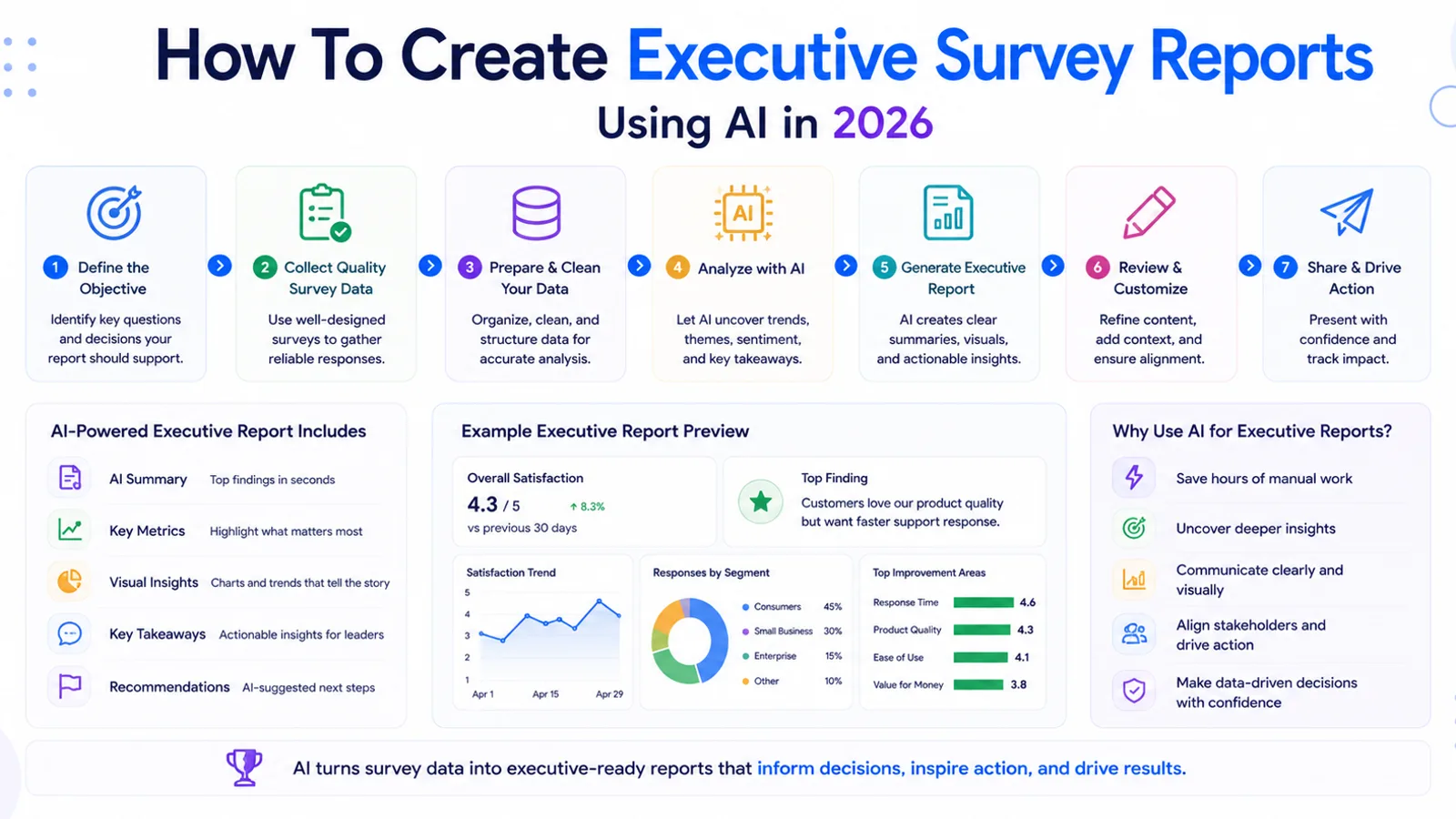
Learn how to create executive-ready survey reports using AI, automate survey reporting workflows, summarize feedback, visualize insights, and modernize analytics with platforms like Sentink.
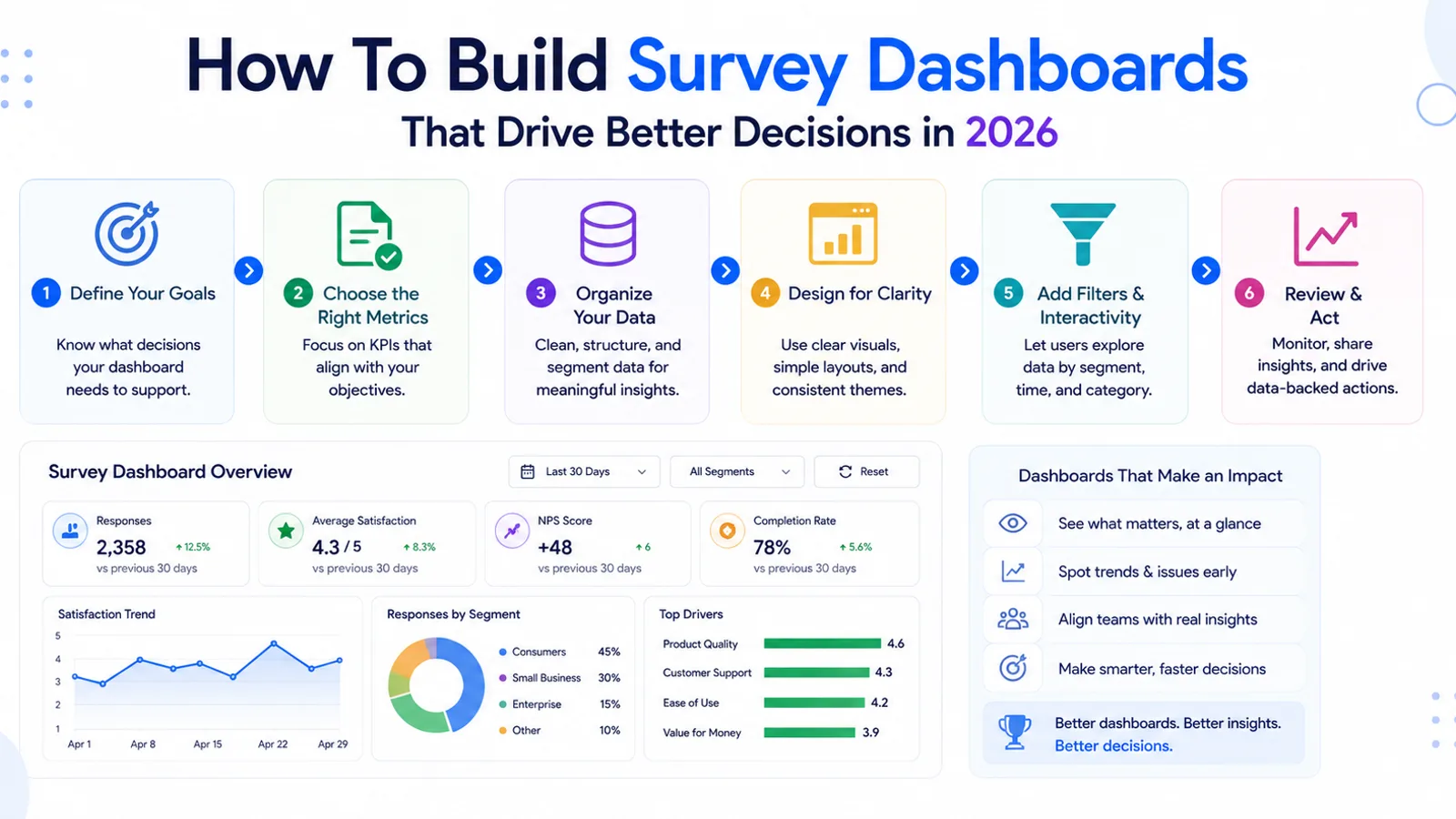
Learn how to build effective survey dashboards, visualize survey data, track customer insights, and use AI-powered analytics platforms like Sentink for intelligent reporting and decision-making.
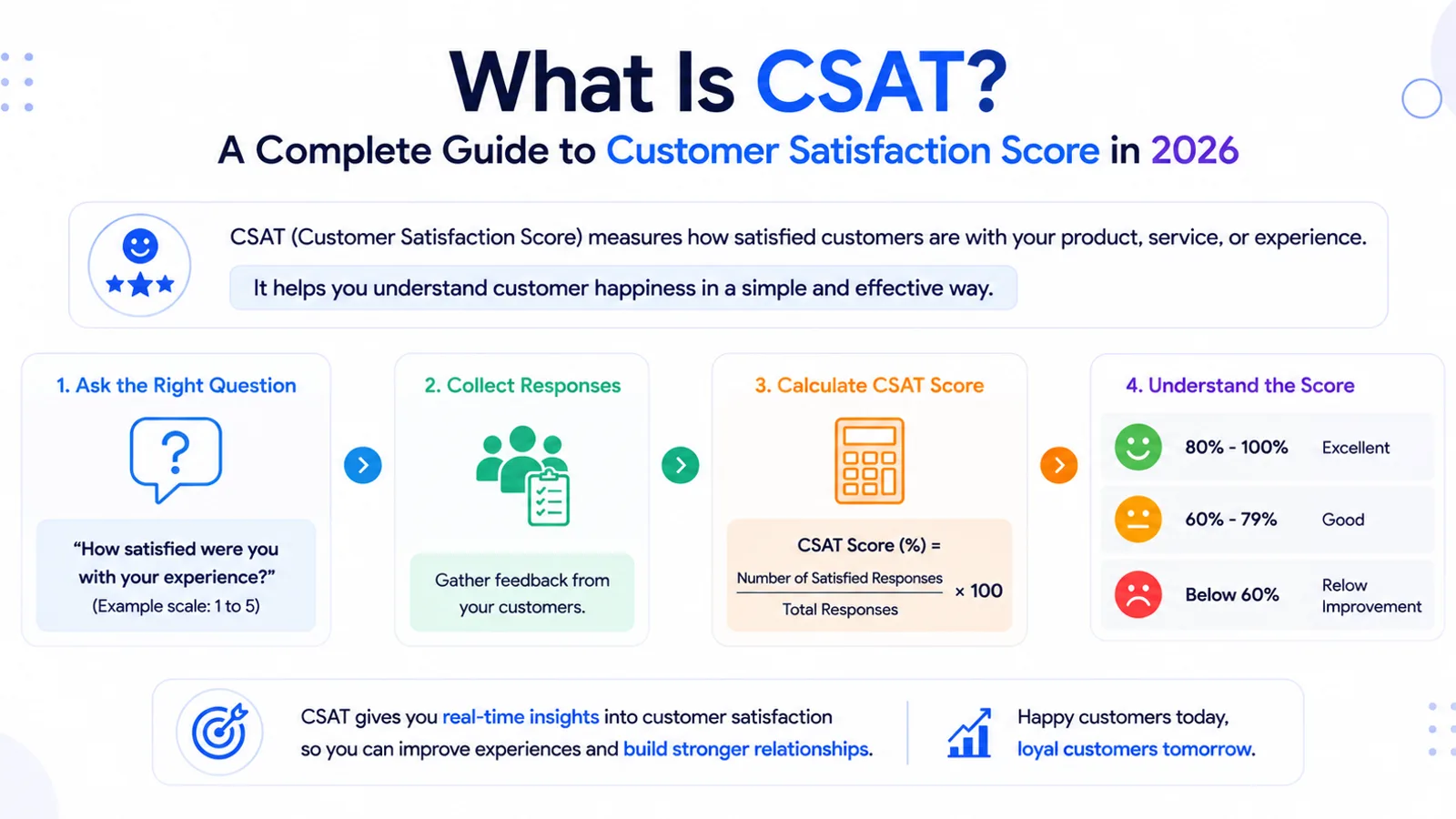
Learn what CSAT (Customer Satisfaction Score) is, how CSAT surveys work, how organizations measure customer satisfaction, and how AI-powered platforms like Sentink modernize customer experience analytics.
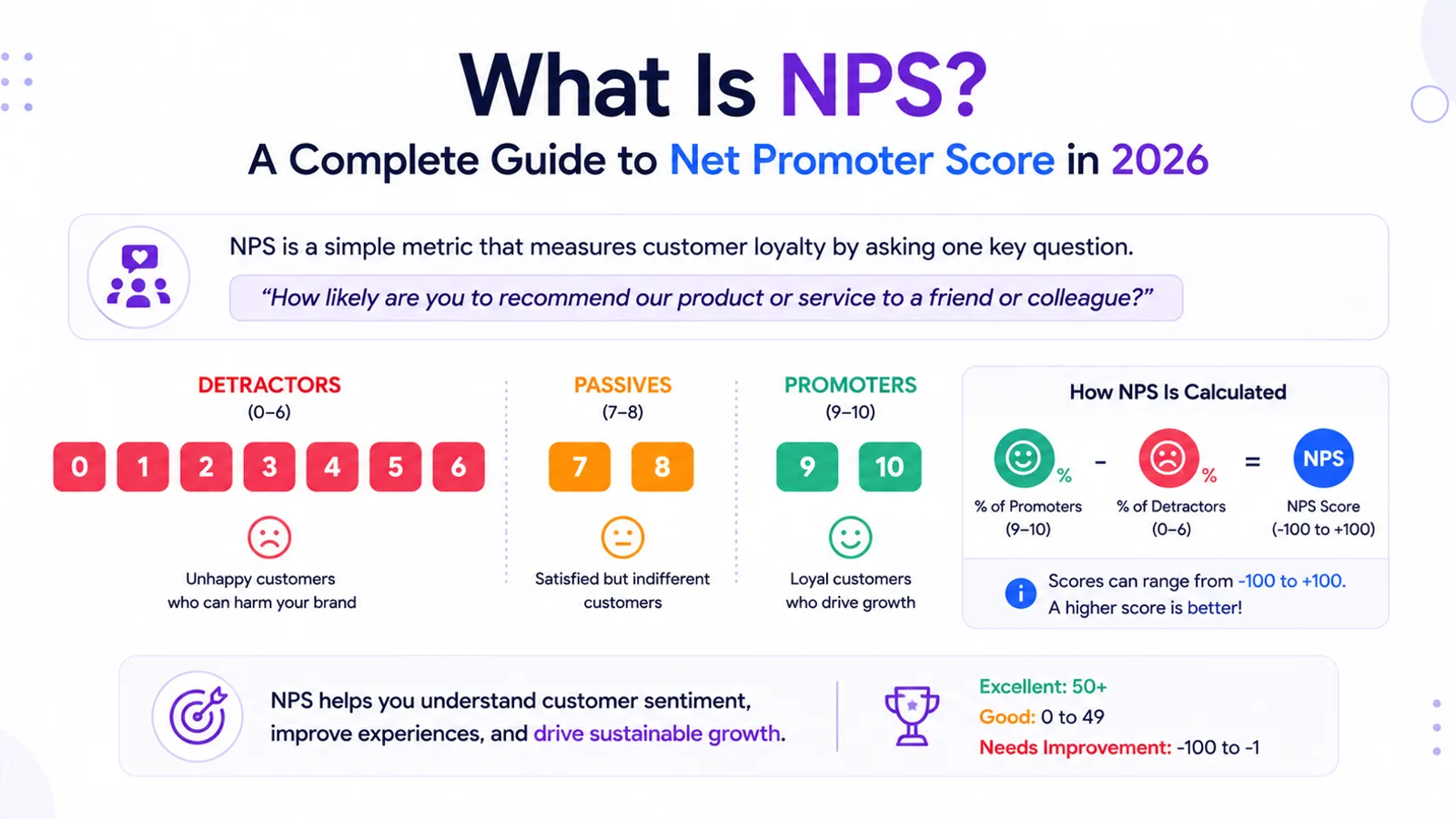
Learn what Net Promoter Score (NPS) is, how NPS surveys work, how organizations measure customer loyalty, and how AI-powered platforms like Sentink modernize NPS analytics and reporting.
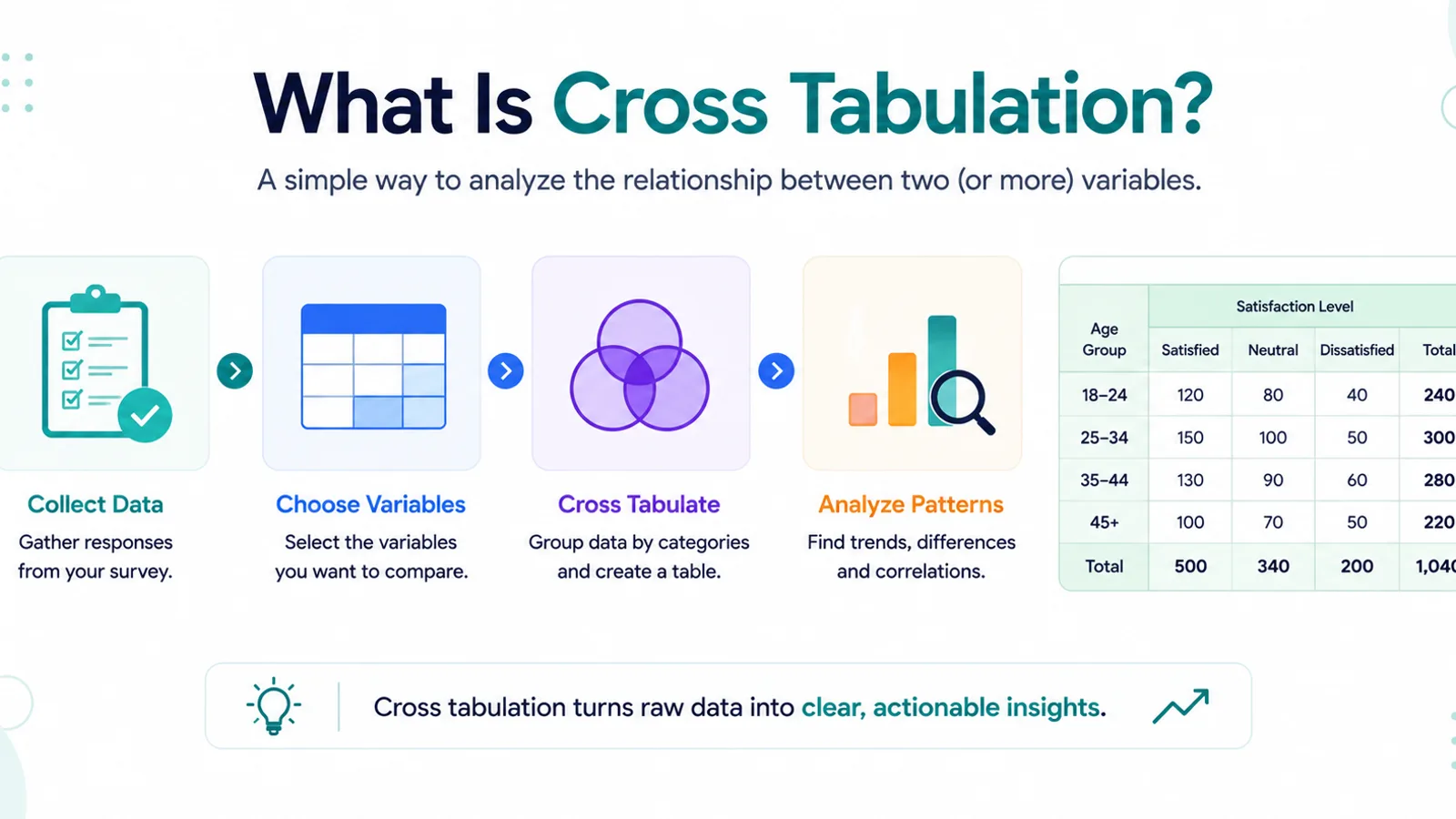
Learn what cross tabulation is, how cross tabs work in survey research, how organizations analyze demographic differences, and how AI-powered platforms like Sentink modernize survey analytics and reporting.