
What Is NPS? A Complete Guide to Net Promoter Score in 2026
What Is NPS? A Complete Guide to Net Promoter Score in 2026
Customer experience has become one of the most important competitive advantages for modern businesses.
Organizations increasingly need to understand:
- customer satisfaction
- loyalty
- retention
- customer sentiment
- brand perception
One of the most widely used customer experience metrics in the world is:
Net Promoter Score (NPS)
NPS helps organizations measure how likely customers are to recommend a company, product, or service to others.
Today, platforms like Sentink are helping organizations combine NPS programs with:
- AI-powered analytics
- sentiment analysis
- intelligent dashboards
- automated reporting
- conversational analytics
In this article, we explain:
- what NPS means
- how NPS works
- how NPS is calculated
- why NPS matters
- how organizations use NPS
- how AI is transforming NPS analytics
- the future of customer loyalty intelligence
What Is NPS?
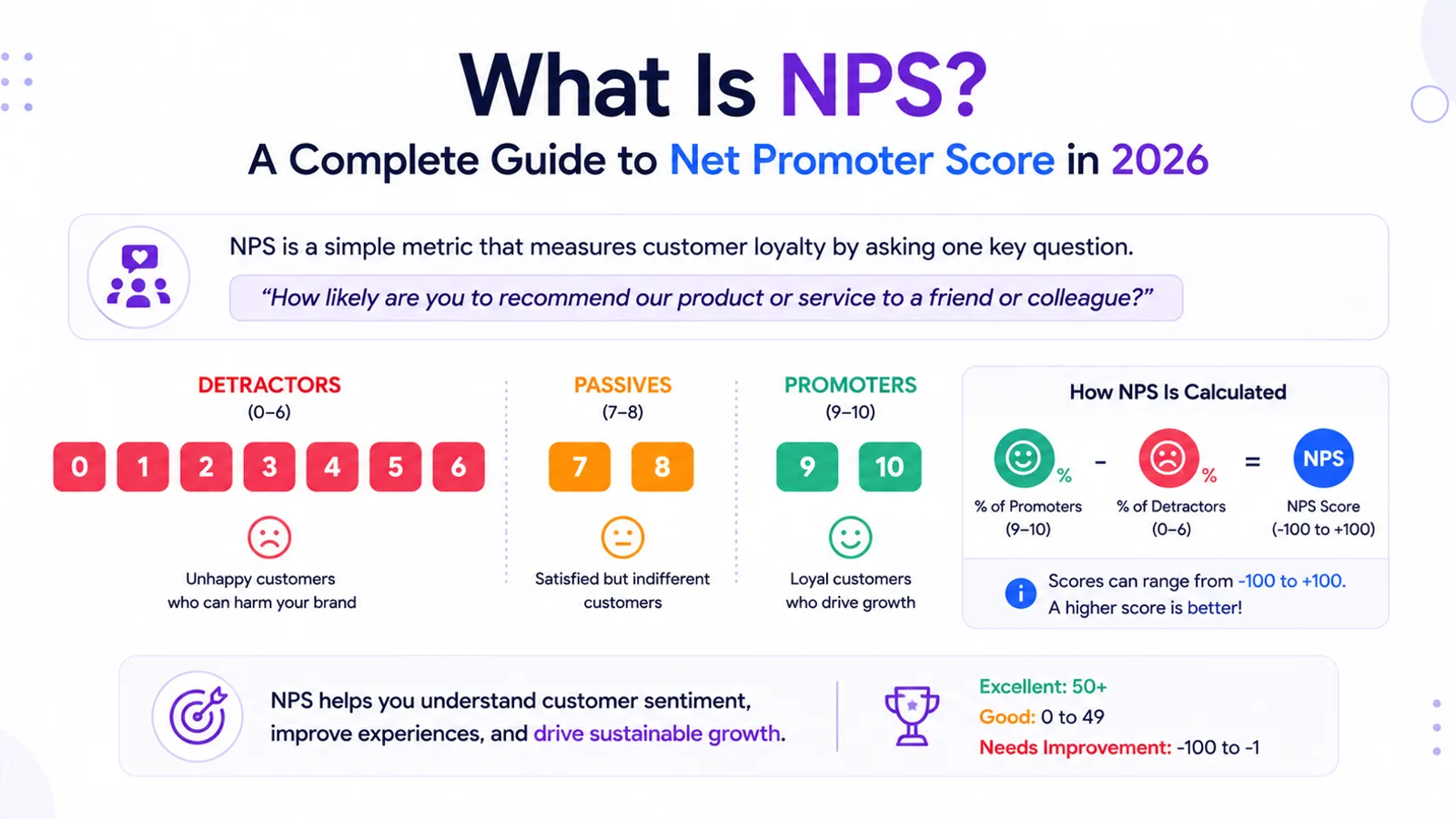
Net Promoter Score (NPS) is a customer experience metric used to measure customer loyalty and satisfaction.
It is based on one simple question:
“How likely are you to recommend our company/product/service to a friend or colleague?”
Customers typically answer using a scale from:
- 0 → Not likely at all
- 10 → Extremely likely
Based on their answers, respondents are grouped into three categories.
The Three NPS Groups
Promoters (9–10)
Promoters are highly satisfied and loyal customers.
They are more likely to:
- recommend the brand
- purchase again
- support the company publicly
- remain long-term customers
Passives (7–8)
Passives are moderately satisfied customers.
They are:
- relatively satisfied
- less emotionally connected
- more likely to switch competitors
Detractors (0–6)
Detractors are dissatisfied customers.
They may:
- complain publicly
- leave negative reviews
- stop using the service
- damage brand reputation
How Is NPS Calculated?
The NPS formula is simple.
NPS = % Promoters − % Detractors
For example:
- 60% Promoters
- 20% Passives
- 20% Detractors
NPS = 60 − 20 = 40
The score ranges from:
- -100 → Very poor loyalty
- +100 → Extremely strong loyalty
Why NPS Matters
NPS became popular because it provides a simple way to measure:
- customer loyalty
- customer satisfaction
- long-term brand health
- customer advocacy
Organizations use NPS to:
- identify unhappy customers
- track customer experience trends
- measure operational improvements
- improve retention
- benchmark performance
NPS is now widely used across:
- SaaS companies
- banks
- healthcare organizations
- telecom companies
- airlines
- retailers
- government services
NPS and Customer Experience
NPS is heavily connected to:
Customer Experience (CX)
Organizations increasingly rely on NPS to understand:
- how customers feel
- why customers leave
- what creates loyalty
- which experiences create frustration
But modern customer experience requires more than a score alone.
Organizations increasingly need:
- sentiment analysis
- open-ended feedback analysis
- AI-powered insights
- trend detection
- intelligent dashboards
This is where AI-powered analytics platforms become extremely valuable.
AI-Powered NPS Analytics
Traditional NPS reporting often focuses mainly on:
- scores
- charts
- percentages
But modern AI systems can do much more.
Platforms like Sentink increasingly combine NPS with:
- AI-generated summaries
- sentiment analysis
- conversational analytics
- trend detection
- executive reporting
- intelligent dashboards
This helps organizations understand:
why customers gave their scores
not just the score itself.
NPS and Sentiment Analysis
Many NPS surveys also include open-ended questions such as:
- “Why did you give this score?”
- “What can we improve?”
- “What frustrated you?”
- “What did you like most?”
These responses contain extremely valuable insights.
AI-powered sentiment analysis helps organizations:
- detect frustration
- identify recurring complaints
- understand emotional tone
- summarize customer feedback
- generate executive insights automatically
This dramatically improves traditional NPS workflows.
NPS and Conversational Analytics
Modern analytics is increasingly moving toward:
Conversational Analytics
Instead of manually filtering dashboards, users can ask questions like:
- “Why did NPS decline this quarter?”
- “Which region has the highest NPS?”
- “What complaints are most common?”
- “What themes appear among detractors?”
AI systems can automatically:
- analyze responses
- summarize insights
- detect trends
- explain findings conversationally
Platforms like Sentink increasingly support these “Chat with Data” experiences.
Common Challenges With Traditional NPS Programs
Traditional NPS workflows often struggle with:
- manual reporting
- delayed insights
- lack of sentiment understanding
- spreadsheet complexity
- disconnected analytics
- difficulty scaling
As organizations collect more feedback, traditional workflows become increasingly difficult to manage manually.
AI-powered survey intelligence platforms help automate much of this work.
Arabic and Multilingual NPS Analytics
Many organizations operate globally and collect multilingual feedback.
This creates challenges involving:
- Arabic sentiment analysis
- multilingual reporting
- RTL dashboards
- mixed-language responses
Platforms like Sentink increasingly focus on multilingual and Arabic-first customer experience analytics.
This is especially valuable for:
- Gulf organizations
- multinational enterprises
- government programs
- customer experience teams
The Future of NPS
The future of NPS is rapidly moving toward:
- AI-generated insights
- conversational analytics
- predictive customer intelligence
- automated reporting
- intelligent dashboards
- real-time sentiment analysis
Organizations increasingly need systems that help them:
understand loyalty — not just measure it
This is why AI-powered survey intelligence platforms are becoming increasingly important.
Final Thoughts
Net Promoter Score remains one of the most important customer experience metrics in the world.
But modern organizations increasingly need more than:
- scores
- percentages
- static dashboards
They need:
- sentiment intelligence
- automated reporting
- conversational analytics
- AI-powered insights
- intelligent customer understanding
Platforms like Sentink are helping transform traditional NPS programs into intelligent customer experience systems.
As AI continues evolving, NPS analytics may become one of the most important areas of modern customer intelligence.
Transparent Cloud plans and private deployment—pick what fits your team.
See pricingPeople also read
Picked from the same category and shared topics.
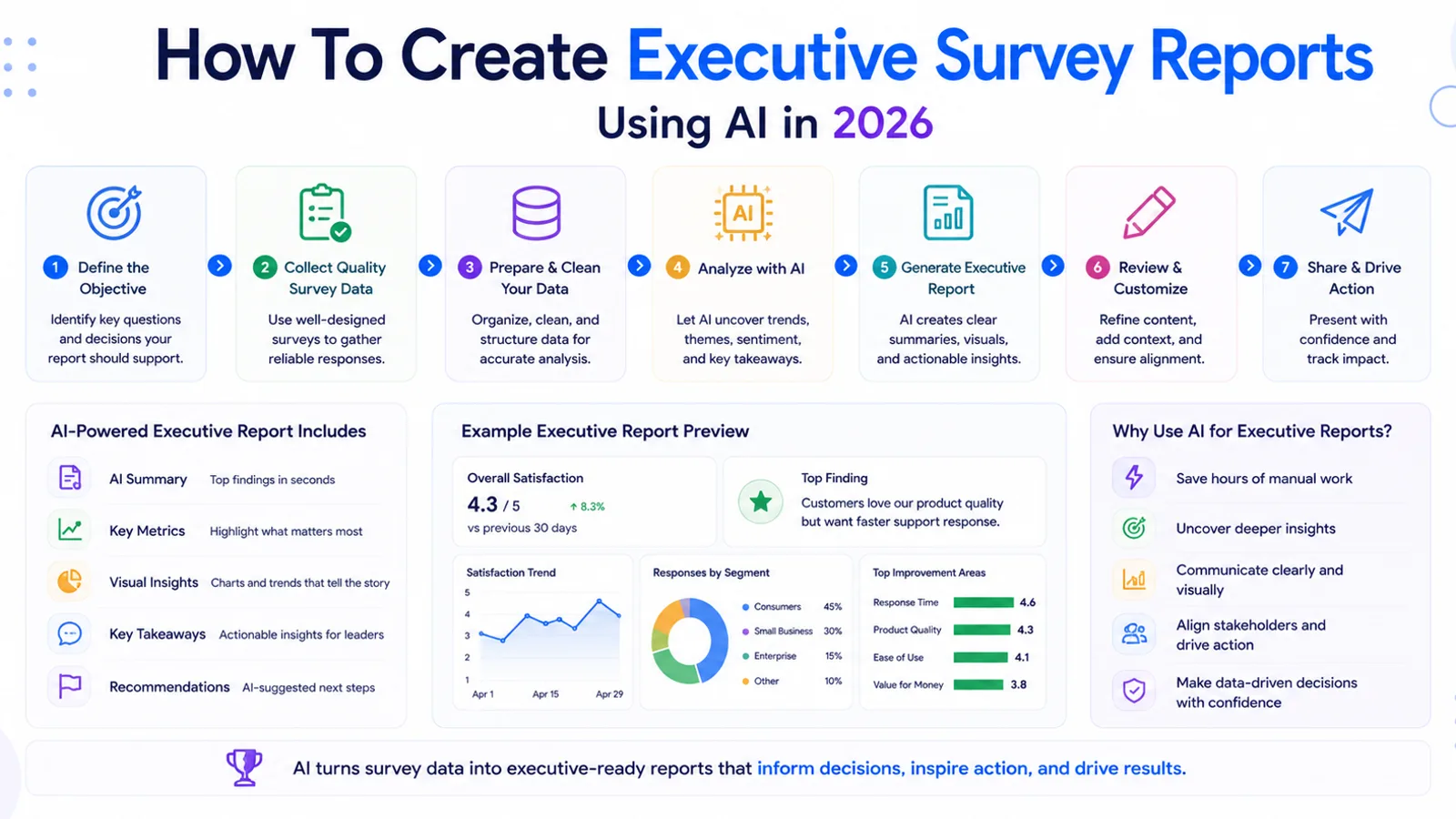
Learn how to create executive-ready survey reports using AI, automate survey reporting workflows, summarize feedback, visualize insights, and modernize analytics with platforms like Sentink.
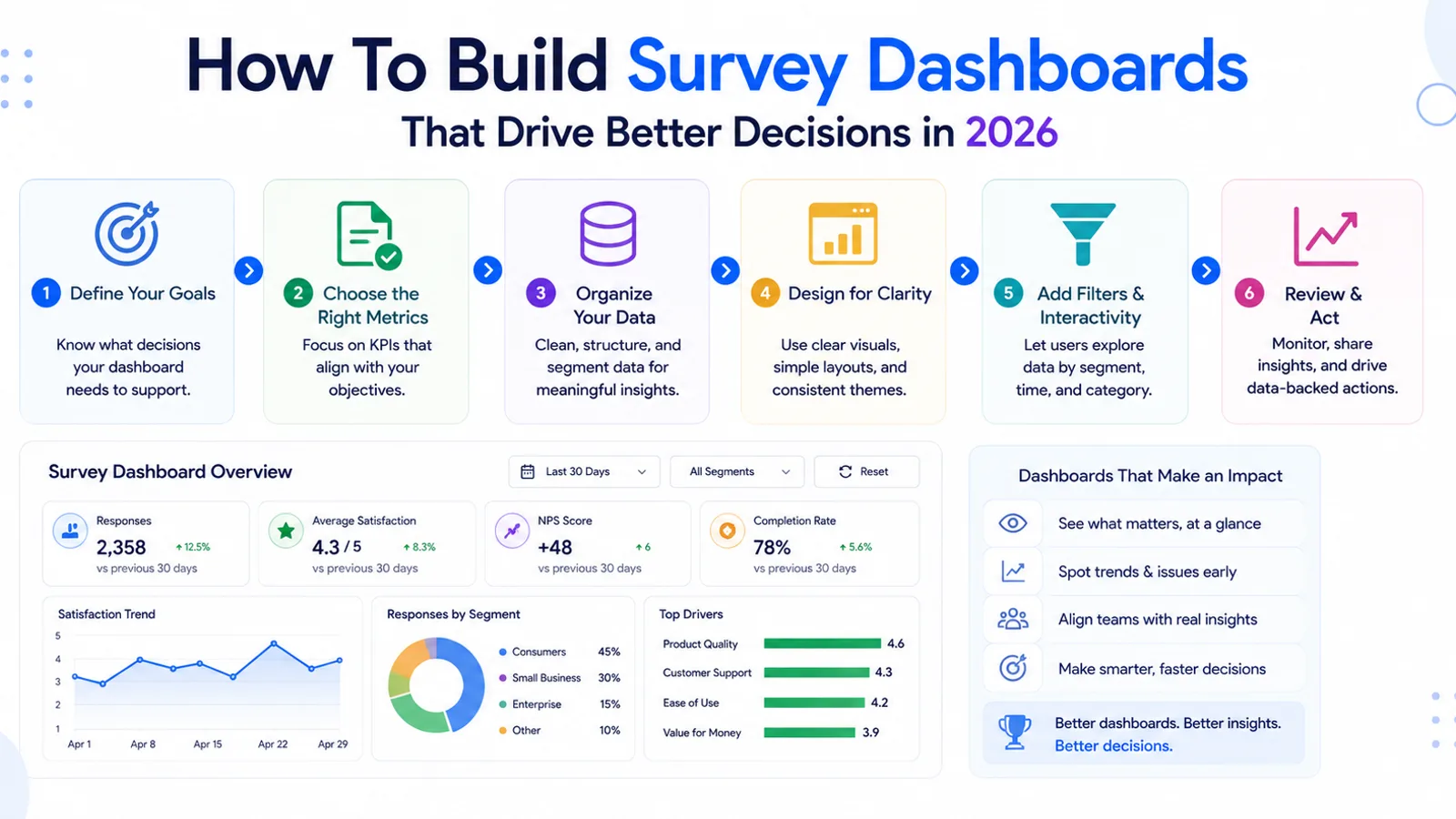
Learn how to build effective survey dashboards, visualize survey data, track customer insights, and use AI-powered analytics platforms like Sentink for intelligent reporting and decision-making.
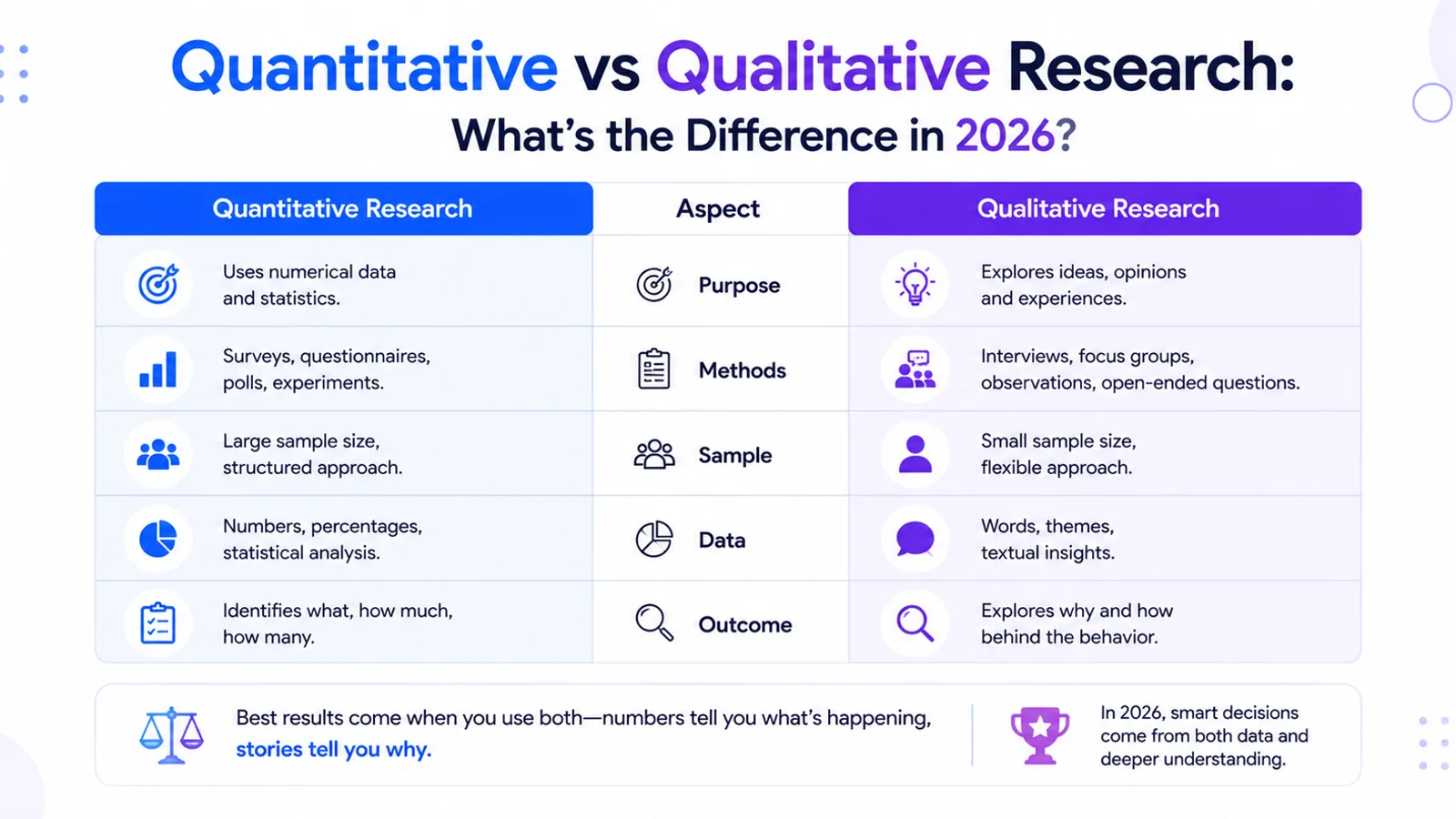
Learn the differences between quantitative and qualitative research, how organizations use both research methods, and how AI-powered platforms like Sentink modernize survey analytics and insights.
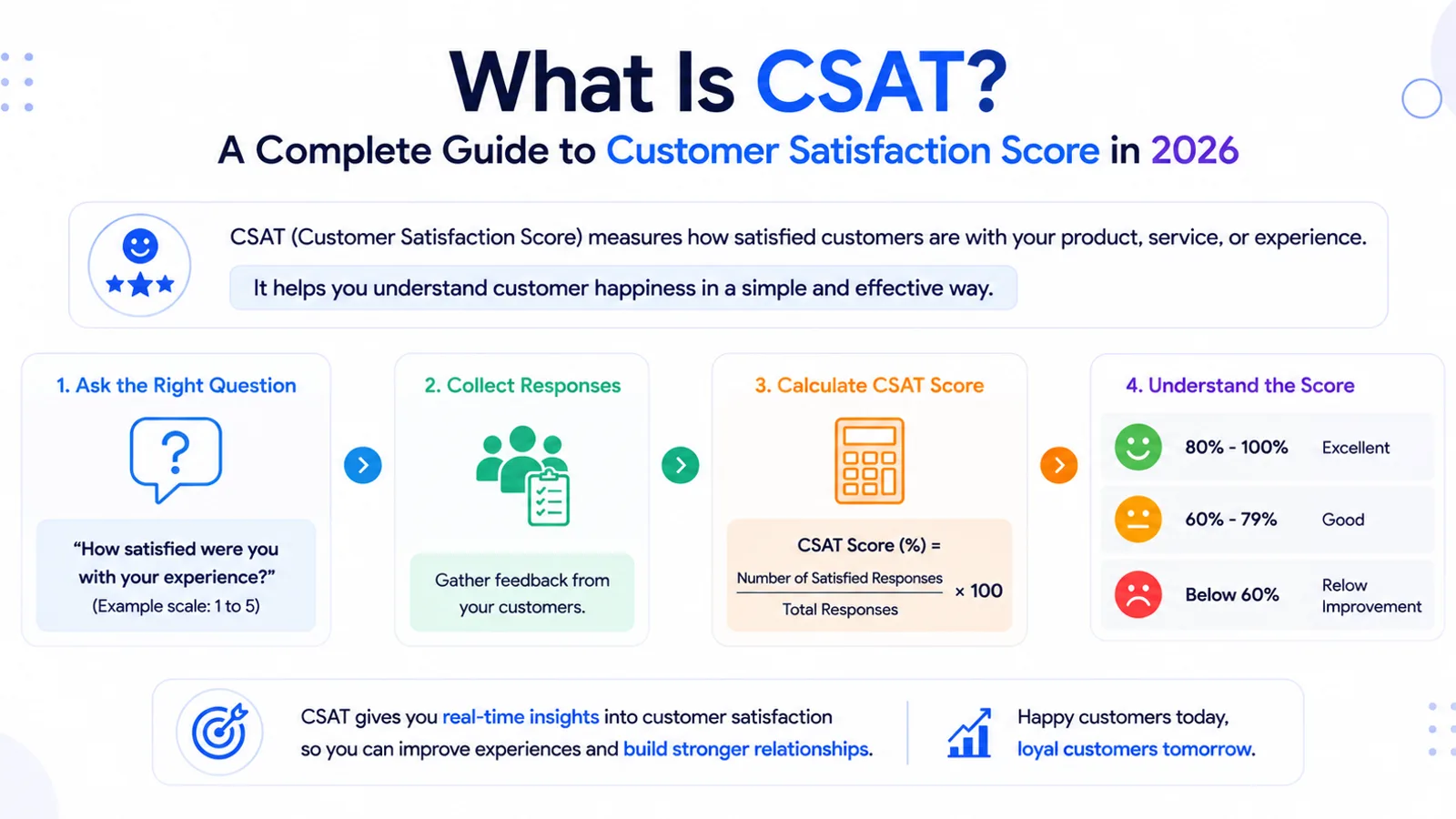
Learn what CSAT (Customer Satisfaction Score) is, how CSAT surveys work, how organizations measure customer satisfaction, and how AI-powered platforms like Sentink modernize customer experience analytics.
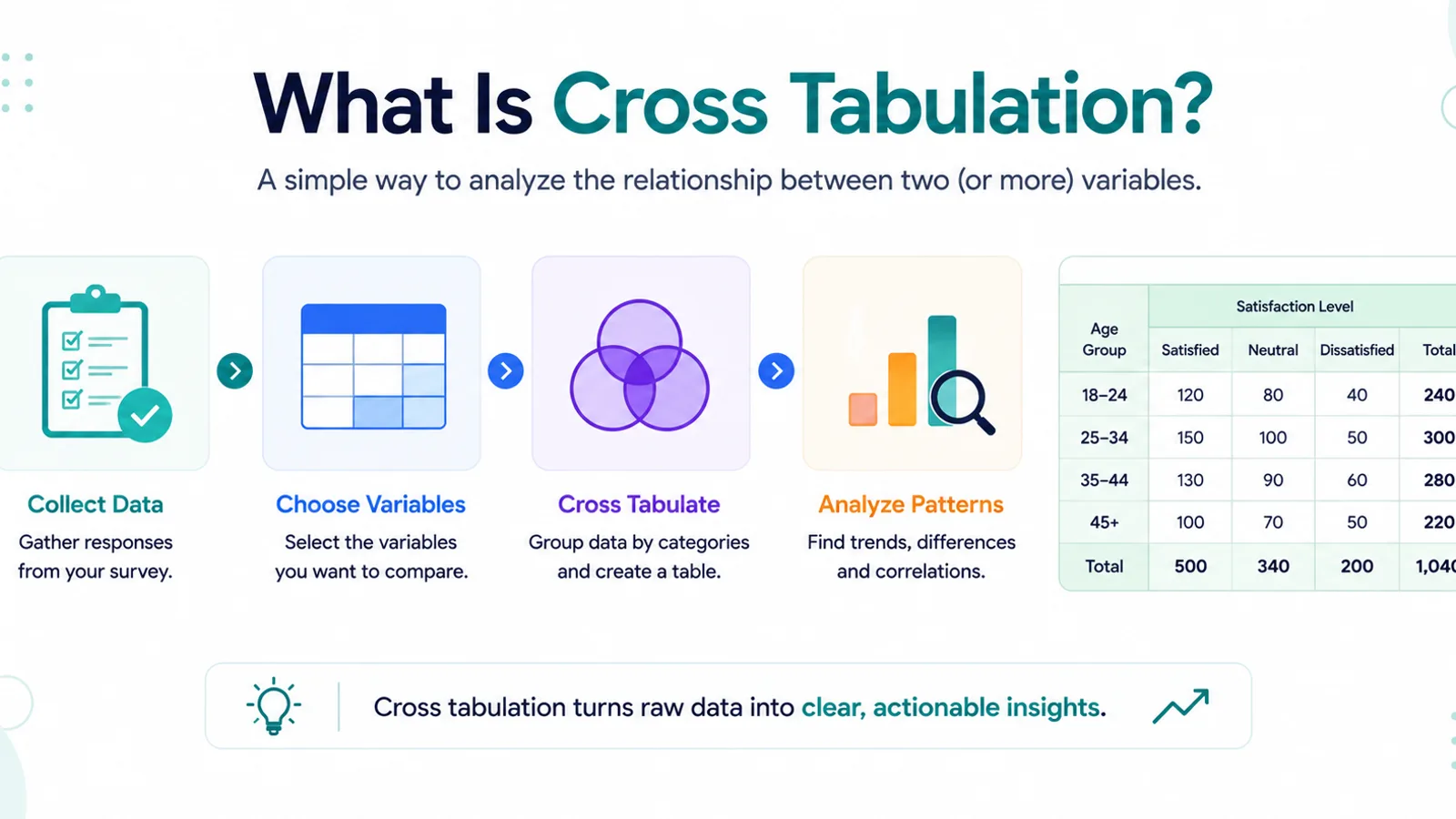
Learn what cross tabulation is, how cross tabs work in survey research, how organizations analyze demographic differences, and how AI-powered platforms like Sentink modernize survey analytics and reporting.