
What Is CSAT? A Complete Guide to Customer Satisfaction Score in 2026
What Is CSAT? A Complete Guide to Customer Satisfaction Score in 2026
Customer expectations are higher than ever.
Modern organizations increasingly compete based on:
- customer experience
- service quality
- response speed
- support performance
- customer satisfaction
One of the most widely used customer experience metrics is:
Customer Satisfaction Score (CSAT)
CSAT helps organizations measure how satisfied customers are with:
- products
- services
- support interactions
- onboarding experiences
- overall customer journeys
Today, platforms like Sentink are helping organizations combine CSAT programs with:
- AI-powered analytics
- sentiment analysis
- intelligent dashboards
- automated reporting
- conversational analytics
In this article, we explain:
- what CSAT means
- how CSAT works
- how CSAT is calculated
- why CSAT matters
- how organizations use CSAT
- how AI transforms customer satisfaction analytics
- the future of intelligent customer experience measurement
What Is CSAT?
CSAT stands for:
Customer Satisfaction Score
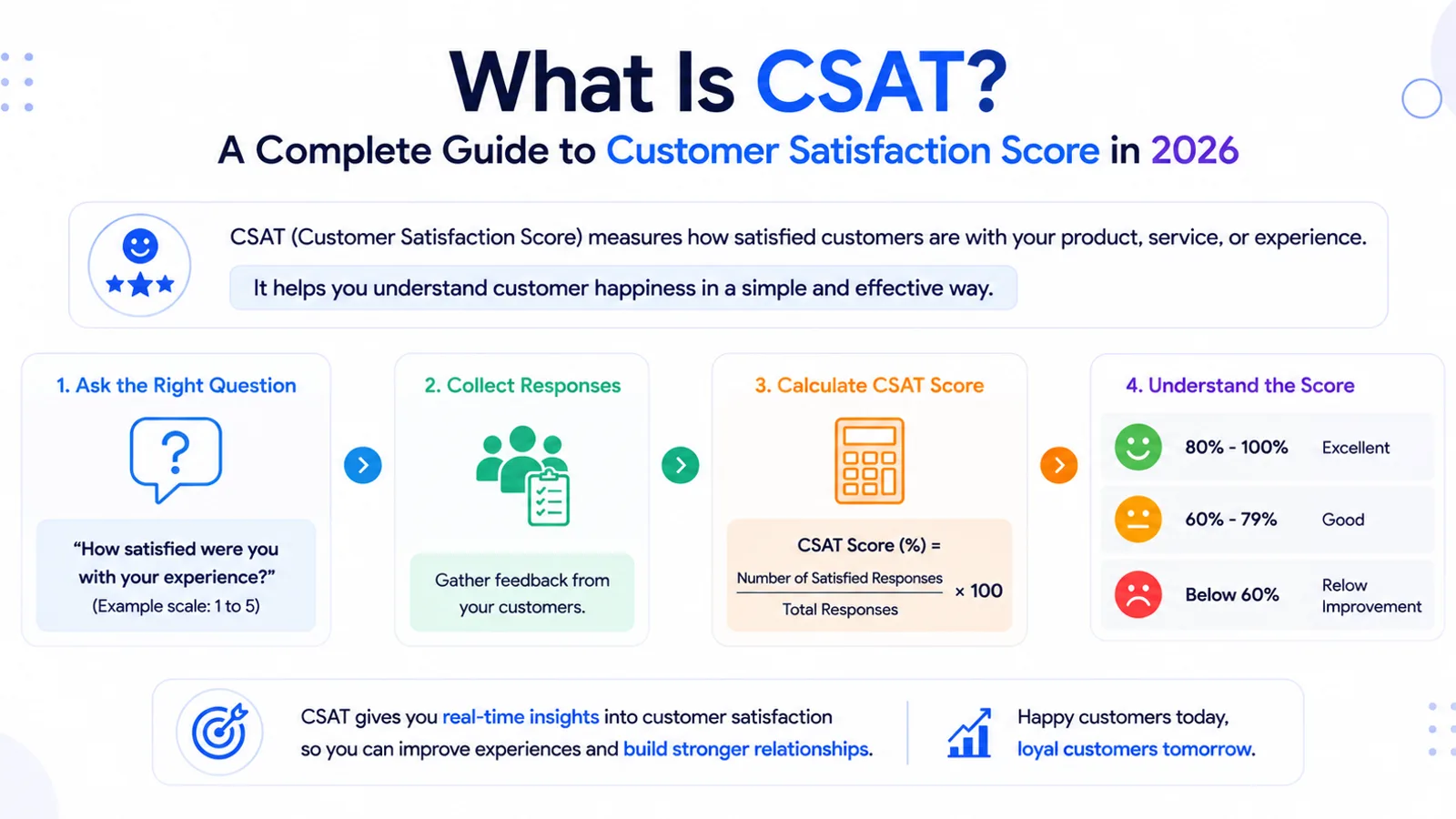
It is a metric used to measure how satisfied customers are after a specific interaction or experience.
Organizations often ask questions like:
“How satisfied were you with your experience?”
or
“How satisfied are you with our service?”
Customers typically answer using scales such as:
- 1 to 5
- 1 to 10
- Very Unsatisfied → Very Satisfied
CSAT surveys are commonly used immediately after:
- support interactions
- purchases
- onboarding
- service delivery
- product usage
- customer support tickets
How Is CSAT Calculated?
CSAT is usually calculated using the percentage of satisfied customers.
For example:
- Ratings 4–5 = satisfied
- Ratings 1–3 = unsatisfied
The formula is:
CSAT = (Satisfied Responses ÷ Total Responses) × 100
Example:
- 80 satisfied customers
- 100 total responses
CSAT = 80%
This creates a simple way to measure customer satisfaction over time.
Why CSAT Matters
Customer satisfaction strongly affects:
- customer loyalty
- retention
- brand reputation
- customer experience
- revenue growth
Organizations use CSAT to:
- monitor customer happiness
- identify service problems
- improve support quality
- track operational performance
- measure customer experience improvements
CSAT is widely used across:
- SaaS companies
- e-commerce
- telecom
- healthcare
- airlines
- hospitality
- banking
- government services
CSAT vs NPS
CSAT and NPS are often used together, but they measure different things.
CSAT measures:
- short-term satisfaction
- immediate experiences
- specific interactions
NPS measures:
- long-term loyalty
- recommendation likelihood
- brand advocacy
Organizations often combine:
- CSAT
- NPS
- CES (Customer Effort Score)
to build a complete customer experience strategy.
The Problem With Traditional CSAT Analysis
Traditional CSAT reporting often focuses mainly on:
- percentages
- charts
- average scores
But these numbers alone often fail to explain:
why customers feel satisfied or dissatisfied
For example:
- Why did satisfaction decline?
- What frustrated customers?
- Which teams perform poorly?
- What issues appear repeatedly?
This is where AI-powered analytics becomes extremely valuable.
AI-Powered CSAT Analytics
Modern AI systems help organizations go beyond basic CSAT scores.
Platforms like Sentink increasingly combine CSAT programs with:
- sentiment analysis
- AI-generated summaries
- trend detection
- conversational analytics
- intelligent dashboards
- automated reporting
This allows organizations to understand:
- emotional feedback
- recurring complaints
- operational bottlenecks
- customer pain points
- experience trends
instead of relying only on scores.
CSAT and Sentiment Analysis
Many CSAT surveys include open-ended questions such as:
- “What can we improve?”
- “What frustrated you?”
- “Describe your experience.”
These responses contain valuable qualitative insights.
AI-powered sentiment analysis helps organizations:
- detect emotional tone
- summarize feedback automatically
- identify recurring complaints
- understand satisfaction drivers
- generate executive insights
Platforms like Sentink increasingly integrate sentiment analysis directly into customer satisfaction workflows.
CSAT and Conversational Analytics
Modern customer experience analytics is increasingly moving toward:
Conversational Analytics
Instead of manually filtering dashboards, users can ask questions like:
- “Why did CSAT decline this month?”
- “Which support team has the lowest satisfaction?”
- “What complaints appear most often?”
- “Summarize negative feedback.”
AI systems can automatically:
- analyze comments
- summarize trends
- detect issues
- explain findings conversationally
Platforms like Sentink increasingly support these “Chat with Data” workflows.
Real-Time Customer Satisfaction Intelligence
Modern businesses increasingly require:
- real-time analytics
- live dashboards
- automated alerts
- instant reporting
- proactive customer intelligence
AI-powered CSAT platforms help organizations:
- identify problems earlier
- respond faster
- improve customer experience continuously
- automate reporting workflows
This creates major operational advantages.
Arabic and Multilingual CSAT Analytics
Many organizations collect customer feedback in multiple languages.
This creates challenges involving:
- Arabic sentiment analysis
- multilingual reporting
- RTL dashboards
- mixed-language feedback
Platforms like Sentink increasingly focus on multilingual and Arabic-first customer experience analytics.
This is especially valuable for:
- Gulf organizations
- government entities
- multinational enterprises
- regional customer experience teams
The Future of CSAT
The future of customer satisfaction analytics is rapidly moving toward:
- AI-generated insights
- conversational analytics
- predictive customer intelligence
- automated reporting
- intelligent dashboards
- real-time sentiment analysis
Organizations increasingly need systems that help them:
understand customer satisfaction — not just measure it
This is why AI-powered survey intelligence platforms are becoming increasingly important.
Final Thoughts
Customer Satisfaction Score remains one of the most important customer experience metrics in modern business.
But modern organizations increasingly need more than:
- percentages
- averages
- static dashboards
They need:
- sentiment intelligence
- automated reporting
- conversational analytics
- AI-generated insights
- intelligent customer understanding
Platforms like Sentink are helping transform traditional CSAT programs into intelligent customer experience systems.
As AI continues evolving, intelligent CSAT analytics may become one of the most important technologies shaping the future of customer experience.
Transparent Cloud plans and private deployment—pick what fits your team.
See pricingPeople also read
Picked from the same category and shared topics.
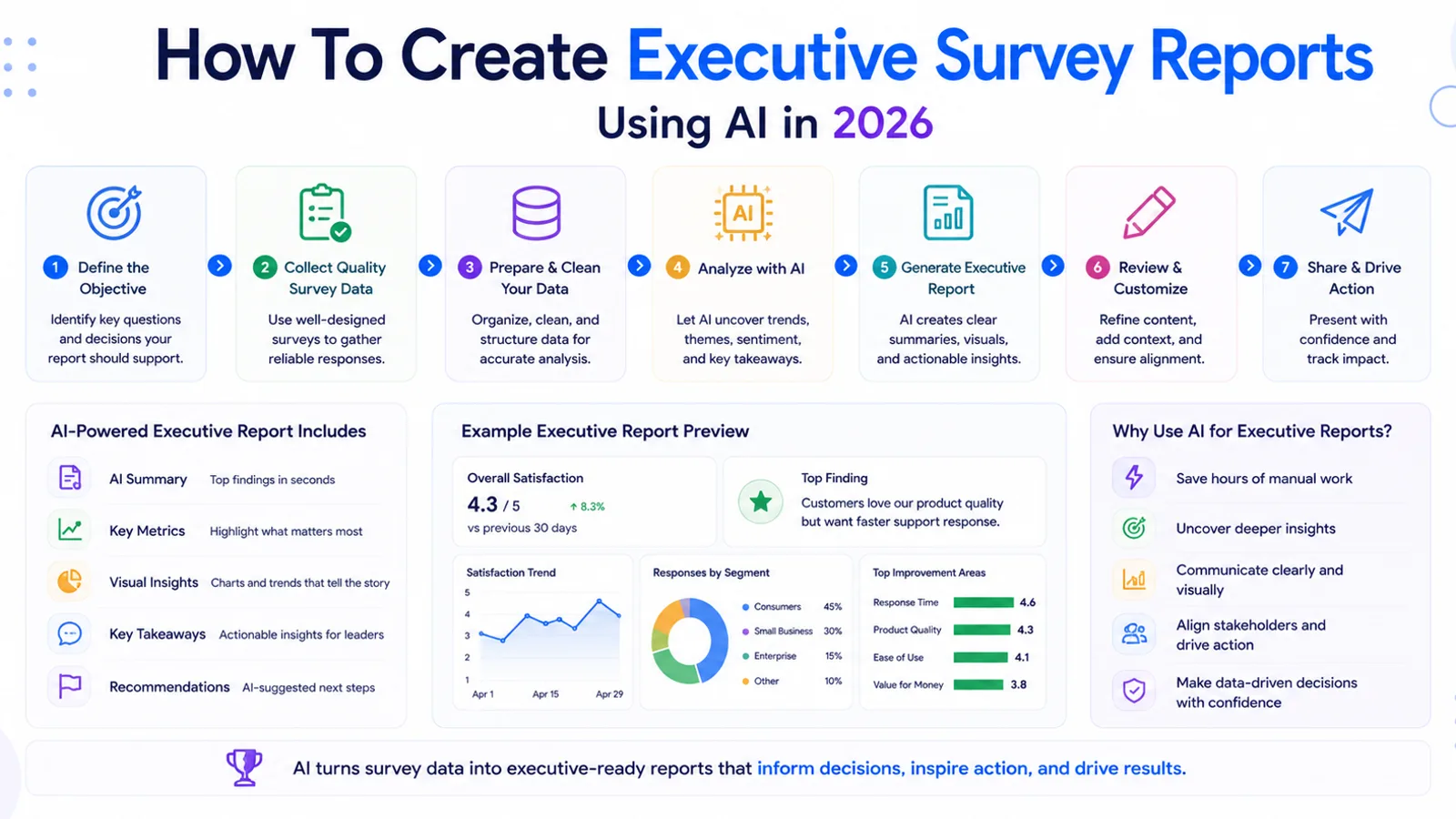
Learn how to create executive-ready survey reports using AI, automate survey reporting workflows, summarize feedback, visualize insights, and modernize analytics with platforms like Sentink.
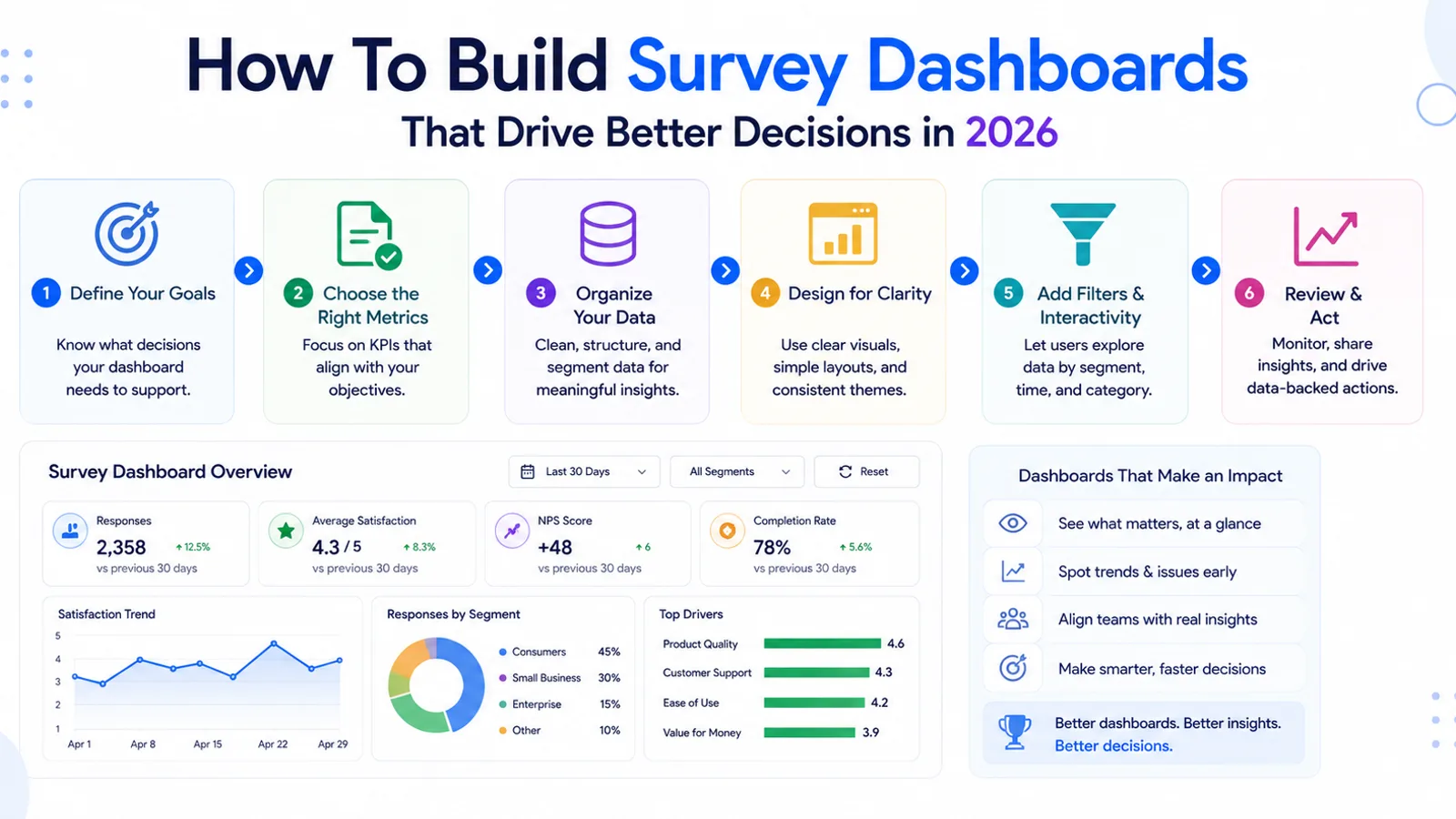
Learn how to build effective survey dashboards, visualize survey data, track customer insights, and use AI-powered analytics platforms like Sentink for intelligent reporting and decision-making.
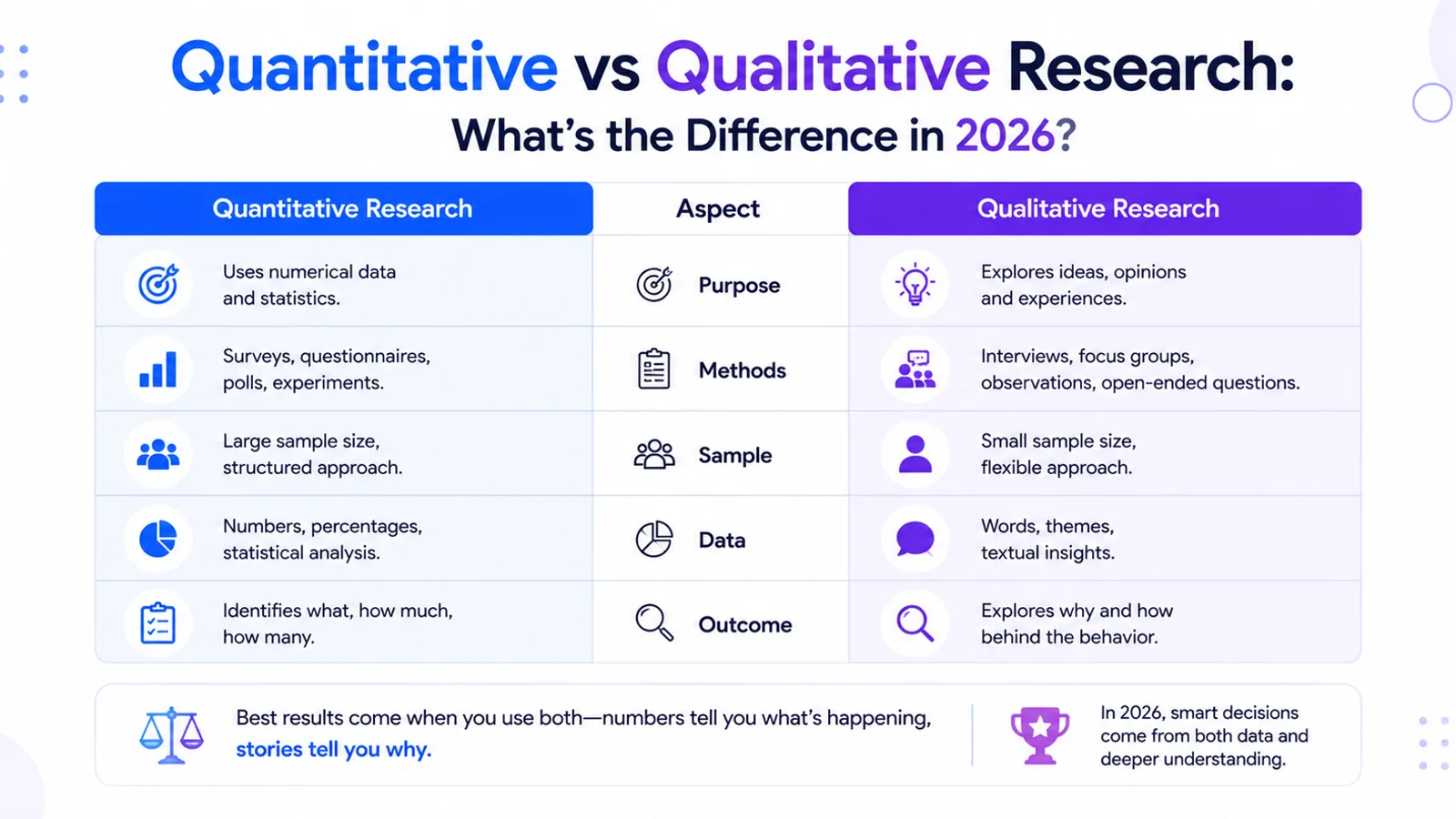
Learn the differences between quantitative and qualitative research, how organizations use both research methods, and how AI-powered platforms like Sentink modernize survey analytics and insights.
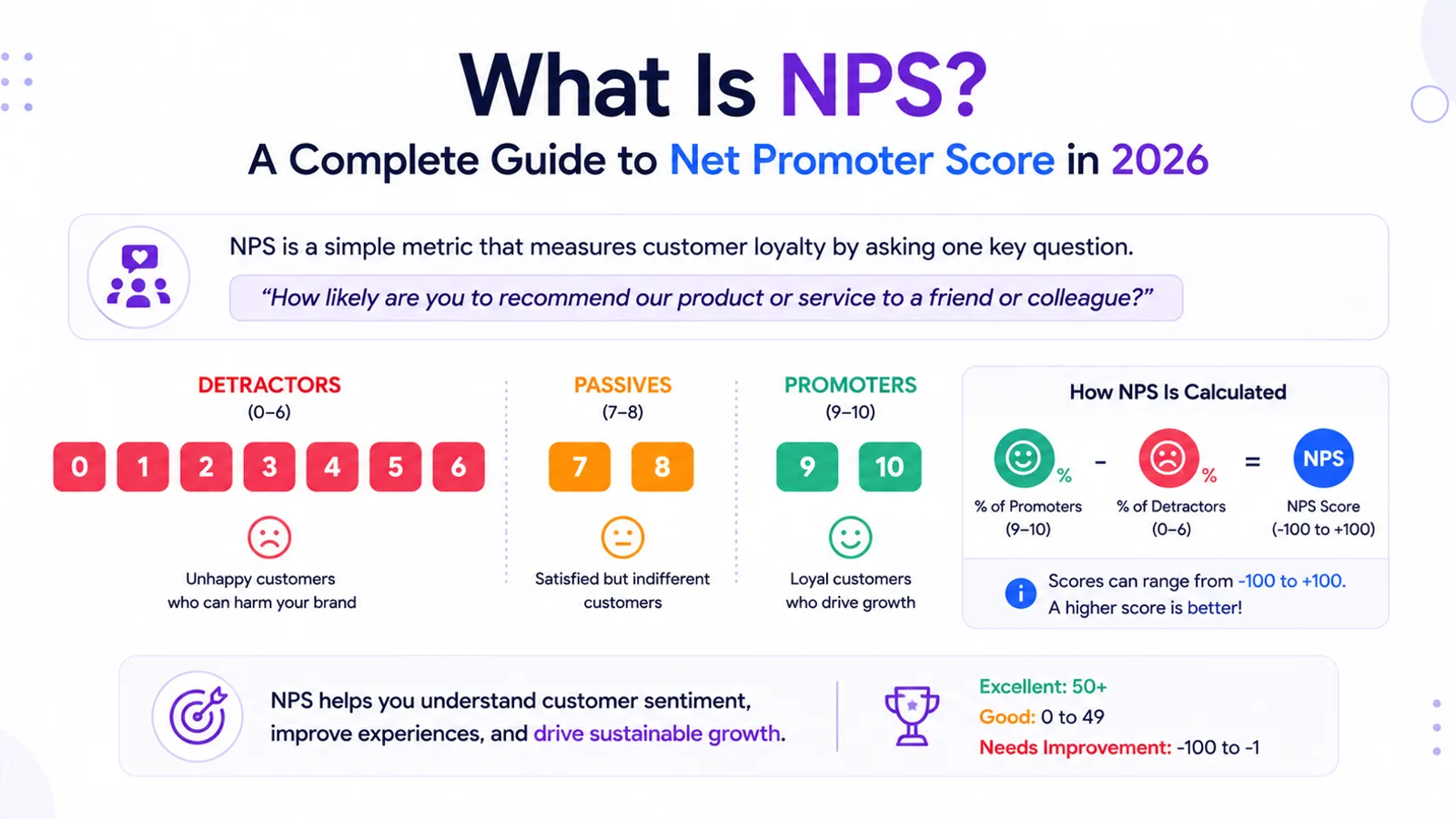
Learn what Net Promoter Score (NPS) is, how NPS surveys work, how organizations measure customer loyalty, and how AI-powered platforms like Sentink modernize NPS analytics and reporting.
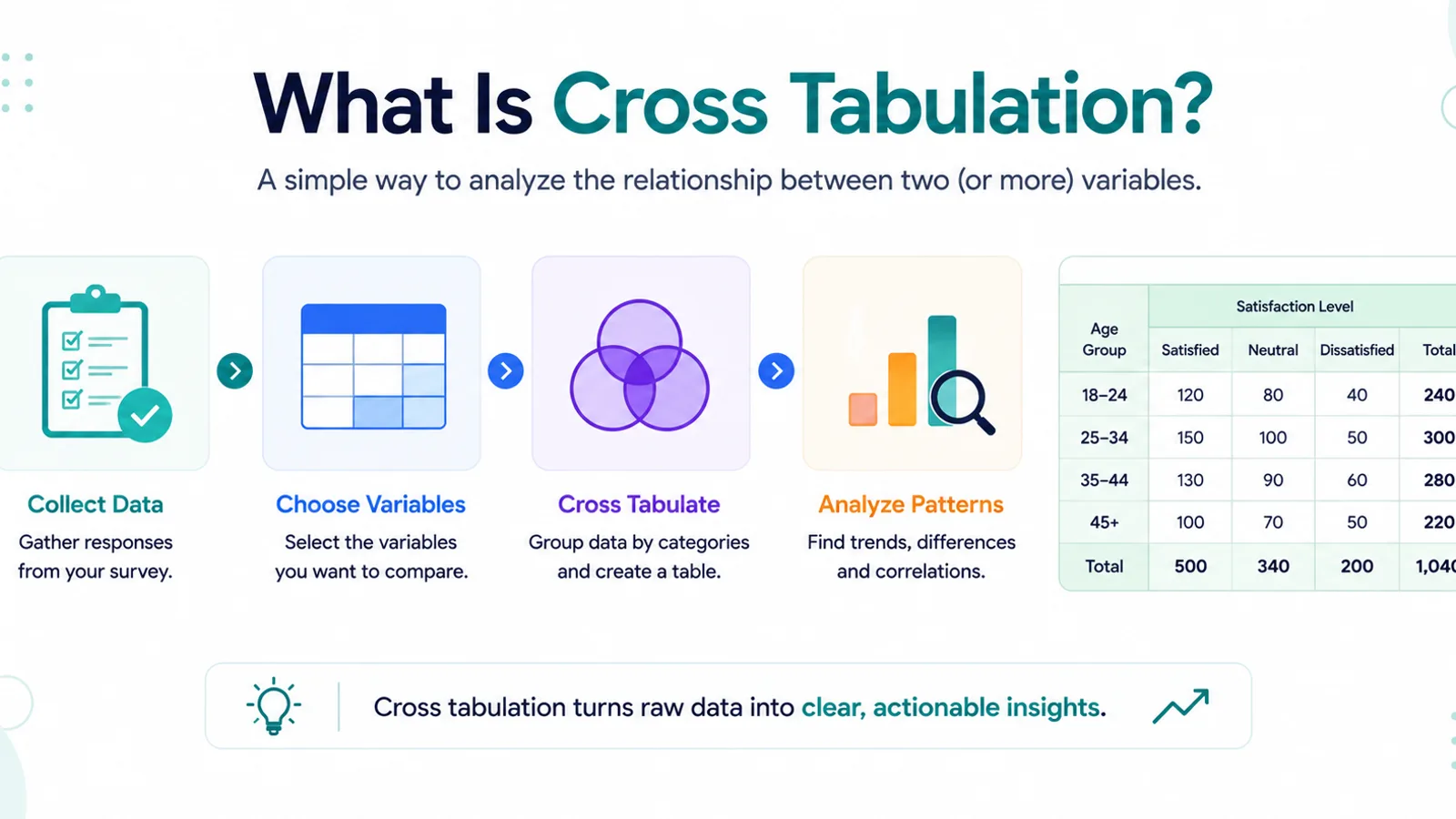
Learn what cross tabulation is, how cross tabs work in survey research, how organizations analyze demographic differences, and how AI-powered platforms like Sentink modernize survey analytics and reporting.